
The Federal Government has dismissed allegations that more than ₦8 trillion was secretly spent outside the 2025 national budget, insisting that every public expenditure was carried out within the provisions of the Constitution and laws approved by the National Assembly.
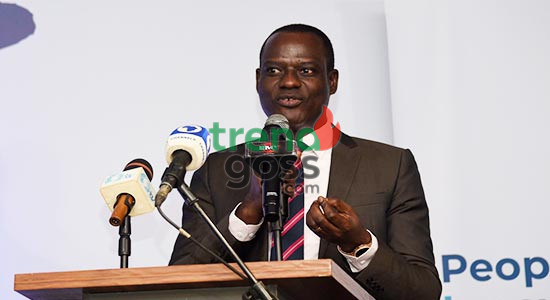
In a statement issued on Sunday by the Minister of Finance, Taiwo Oyedele, the government said reports claiming that about two percent of Nigeria’s Gross Domestic Product (GDP), estimated at over ₦8 trillion, was spent outside the budget were based on what it described as a misinterpretation of the International Monetary Fund’s (IMF) 2026 Article IV Consultation Report.
According to the ministry, the Federal Government does not operate a “shadow budget” and cannot legally spend public funds without legislative approval. It emphasized that Sections 80 to 83 and 162 of the 1999 Constitution clearly regulate the withdrawal and expenditure of public funds.
The statement explained that government spending is carried out through duly approved Appropriation Acts, Supplementary Appropriation Acts and other statutory authorizations. It added that multi-year capital projects and approved budget rollovers are legitimate financing mechanisms and should not be mistaken for unauthorized spending.
Responding to allegations of secret expenditure, the ministry challenged those making the claims to provide verifiable evidence, including details of any specific projects allegedly executed without legal approval.
The government further clarified that Nigeria’s fiscal system includes statutory transfers, first-line charges, debt servicing obligations and intervention funds established by Acts of the National Assembly. According to the ministry, these expenditures are lawful, publicly disclosed and subject to oversight, although they may appear differently in international fiscal reporting formats.
It also rejected suggestions that the reported ₦8 trillion represented an increase in Nigeria’s fiscal deficit, explaining that fiscal deficits are determined by the relationship between government revenue and total expenditure rather than by the financing structure of approved projects.
The ministry stated that the IMF’s observations focused mainly on improving the comprehensiveness and presentation of fiscal reporting, not on allegations of illegal spending. It added that the Tinubu administration remains committed to transparency, budget reforms, digital financial management and stronger public accountability.
The clarification follows recent criticism from opposition figures who questioned the reported expenditure. The government has maintained that all spending complied with existing legal and constitutional frameworks.
#Tinubu #IMF #NigeriaEconomy #Budget2025 #PublicFinance #FiscalPolicy #BreakingNews #NigeriaPolitics #Transparency