

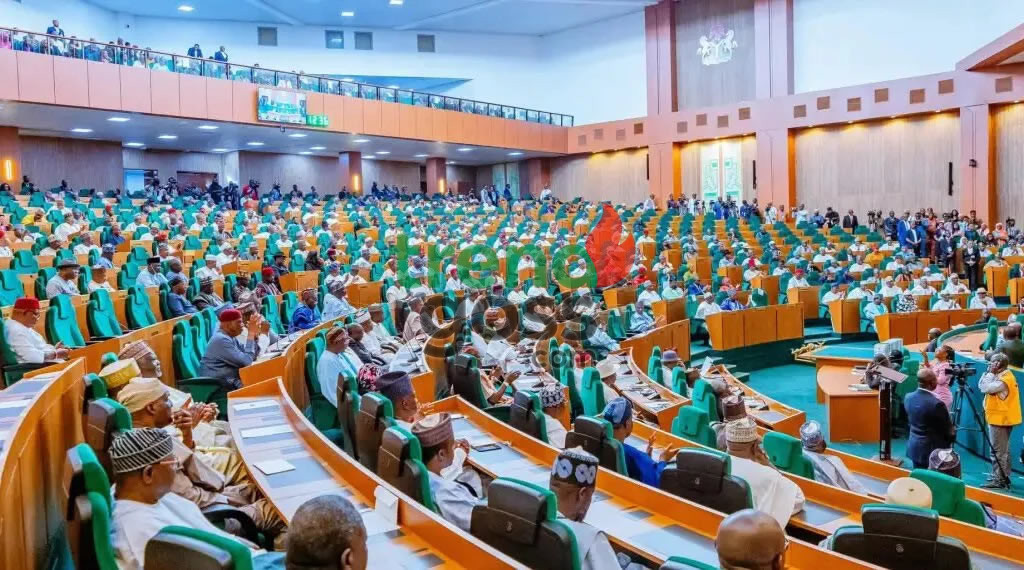
Nigeria has moved a major step closer to establishing state police after the House of Representatives on Thursday passed the Executive Bill seeking to create state-controlled policing across the country.
The landmark decision was reached during plenary after lawmakers withdrew the House’s earlier proposed constitutional amendment on state police and instead adopted the Executive Bill, marking a significant breakthrough in Nigeria’s long-running debate over decentralizing the nation’s security system.
The development is widely regarded as one of the biggest security reforms in recent years, coming amid growing concerns over persistent insecurity, including banditry, kidnapping, terrorism and violent crimes affecting several parts of the country.
With the House now approving the Executive Bill, Nigeria is edging closer to a dual policing system, where both the Federal Government and individual states would have policing responsibilities aimed at improving security and faster response to local threats.
The latest move follows the Nigerian Senate’s earlier approval of its own version of the state police legislation, bringing the country closer than ever to implementing a long-discussed security restructuring.
Supporters of state police have repeatedly argued that governors and local authorities are better positioned to understand the security challenges within their states and should have the constitutional authority to establish and manage their own police services.
However, the proposal has also generated concerns from critics, who fear state police could be abused by some state governments for political purposes or to intimidate opponents if proper safeguards are not put in place.
Despite the differing opinions, Thursday’s passage by the House of Representatives represents a major legislative milestone and reflects growing national consensus that Nigeria’s current centralized policing structure requires urgent reforms to address evolving security challenges.
Attention will now shift to the remaining constitutional and legislative processes required before the bill can become law. If eventually signed into law, the reform is expected to reshape Nigeria’s security architecture and redefine the roles of federal and state authorities in maintaining law and order.
#StatePolice #HouseOfRepresentatives #NationalAssembly #NigeriaSecurity #BreakingNews #Banditry #Kidnapping #Terrorism #Politics #TrendingNow