

Airstrikes Hit Sambisa: Why Is It Still Hard to Clear the Forest?
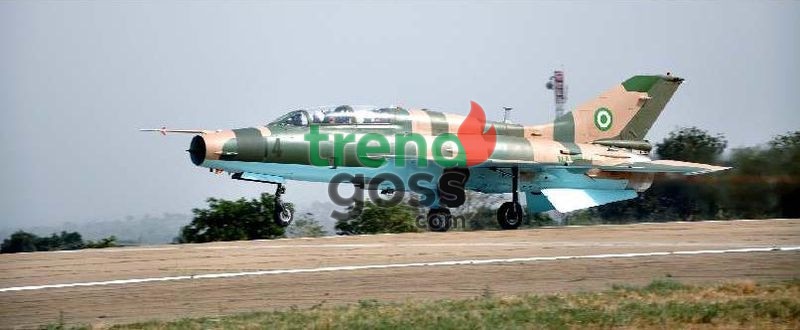
Recent operations by the Nigerian Air Force targeting camps in Sambisa Forest have reportedly destroyed logistics hubs and neutralized fighters linked to Boko Haram and Islamic State West Africa Province. The strikes signal continued pressure from the air. Yet the lingering question remains: if the military can hit these targets, why is Sambisa still not fully cleared?
The answer lies in the nature of the terrain and the tactics of insurgency.
Sambisa is vast, dense, and difficult to navigate. Thick vegetation, hidden routes, and natural cover make it ideal for concealment. Even when airstrikes degrade camps, fighters can disperse quickly, regroup in smaller units, and re-establish positions elsewhere within the forest or in nearby enclaves. Clearing such an environment requires more than aerial bombardment—it demands sustained ground operations, intelligence, and control of surrounding areas.
There’s also the challenge of asymmetric warfare.
Insurgent groups do not fight like conventional armies. They avoid direct confrontation, blend with local populations when possible, and rely on mobility. When pressure mounts, they adapt—shifting supply lines, changing communication methods, and using smaller, harder-to-detect cells. This makes “total clearance” a moving target rather than a one-time achievement.
Intelligence is another critical factor.
Air operations depend heavily on accurate, real-time information. Identifying high-value targets, minimizing civilian risk, and timing strikes correctly require coordination between multiple agencies. Gaps or delays in intelligence can limit the long-term impact of even successful strikes.
Supporters of current operations argue that progress is incremental—each strike weakens capabilities, disrupts logistics, and reduces operational reach. Critics counter that without holding territory after strikes, gains can be temporary.
So, why is it difficult? Because it’s not just a battle of firepower—it’s a contest of endurance, adaptation, and control.
For Nigerians, the expectation is clear: not just periodic success, but sustained security. As operations continue, the real measure will be whether these gains translate into safer communities and lasting stability beyond the forest.
#NigerianAirForce #SambisaForest #BokoHaram #ISWAP #NigeriaSecurity #CounterTerrorism #NaijaNews #TrendingNigeria #MilitaryOperations #SecurityCrisis #NationalSecurity #Defense