
COVID-19 Alert in Nigeria: What You Need to Know and How to Stay Safe
Reports of renewed cases of COVID-19 in Nigeria have sparked concern, reminding citizens that the virus has not completely disappeared. While the situation is not at the panic stage, health authorities are urging vigilance as new infections emerge in different parts of the country.
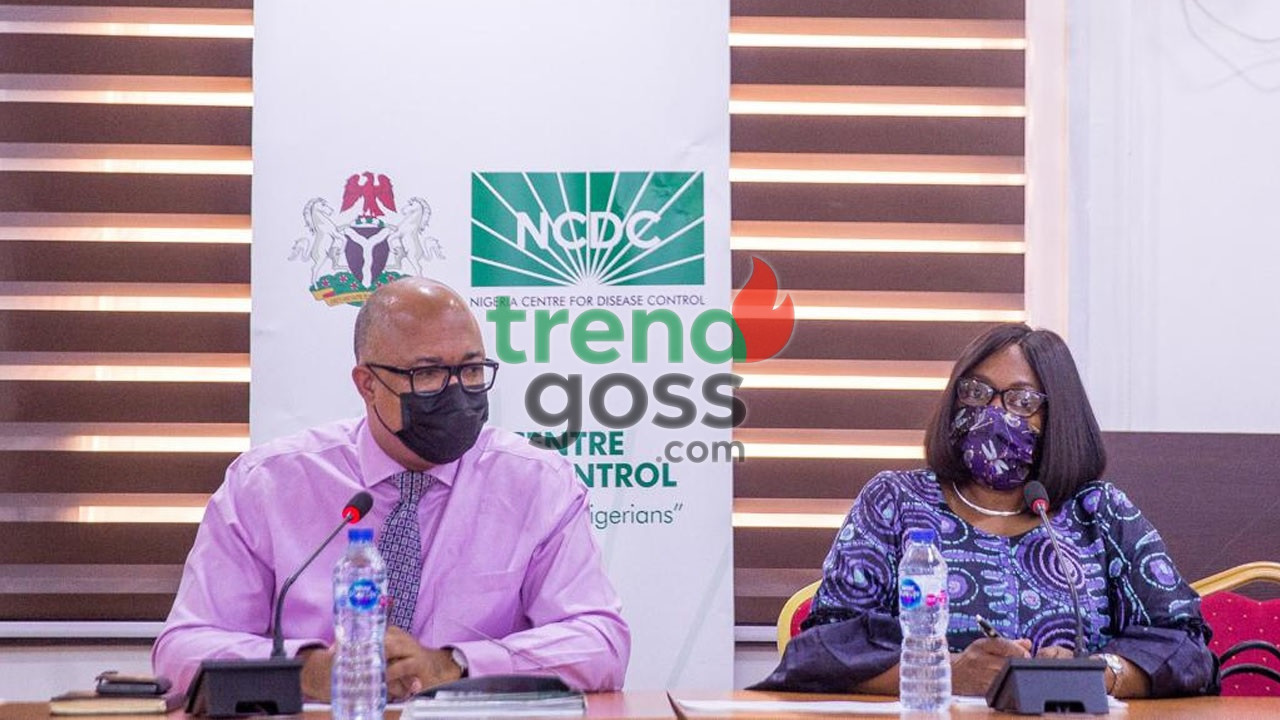
According to updates linked to the Nigeria Centre for Disease Control (NCDC), the current cases appear to be manageable, but the risk of spread remains—especially in crowded environments and during large gatherings. This is particularly important in urban centers where population density is high and movement is constant.
So, what should Nigerians be paying attention to right now?
First, awareness matters. COVID-19 today may not always present with severe symptoms, but common signs like cough, fever, fatigue, sore throat, and difficulty breathing should not be ignored. Early detection can help prevent further spread, especially among vulnerable groups such as the elderly and those with underlying health conditions.
Equally important are basic preventive habits—many of which people have relaxed over time. Regular hand washing, use of hand sanitizers, and maintaining personal hygiene remain effective. In crowded or enclosed spaces, wearing a face mask can still provide protection, particularly for those at higher risk.
Vaccination also continues to play a crucial role. While many Nigerians have already received initial doses, staying updated with recommended boosters can help strengthen immunity and reduce the severity of infection.
There’s also a need to address misinformation. Unlike earlier phases of the pandemic, complacency has replaced fear in many quarters. However, dismissing the virus entirely can lead to a silent spread, especially when symptoms are mild and easily overlooked.
The goal now is not panic—but preparedness.
Health experts emphasize that Nigeria is better equipped today than during the early outbreak, with improved awareness and response systems. However, the responsibility is shared. Government agencies can provide guidance, but individuals must take personal precautions seriously.
In the end, containing COVID-19 depends on collective action. Staying informed, practicing simple safety measures, and responding quickly to symptoms can make the difference between a controlled situation and another widespread outbreak.
#COVID19 #NigeriaHealth #NCDC #PublicHealth #StaySafe #NaijaNews #TrendingNigeria #HealthAwareness #DiseasePrevention #Vaccination #Hygiene #CommunityHealth