
Suspend Politics to Fight Insecurity? Ningi’s Call Sparks National Debate
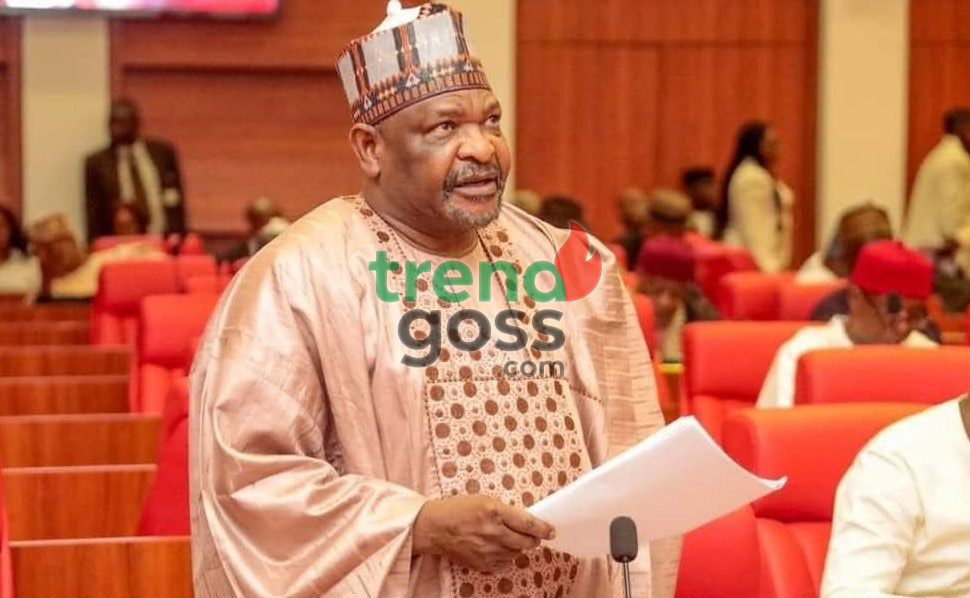
Nigeria’s security crisis has taken center stage again after Abdul Ningi called for a temporary suspension of political activities to focus on defeating terrorism. The proposal has stirred a heated debate: is this a bold, necessary reset—or an impractical response in a democratic system?
On the surface, the argument is compelling. With communities under threat and lives at risk, shifting full national attention to security could, in theory, sharpen coordination, reduce distractions, and fast-track decisions. For many citizens, the idea reflects a deep frustration—if politics is consuming energy while insecurity grows, why not pause and prioritize survival?
But governance is rarely that simple.
Nigeria operates within a constitutional democracy where political processes—party activities, elections, legislative work—are continuous. Halting them outright raises legal and institutional questions. Can politics truly be “paused” without affecting governance itself? And even if it could, would that automatically translate into better security outcomes?
Supporters of Ningi’s call argue that symbolism matters. A nationwide pause could signal urgency, unify leadership, and force agencies to align around a single priority. It could also create space for a comprehensive review of strategy involving the Nigerian Armed Forces, intelligence services, and local stakeholders.
Critics, however, see risks.
They contend that insecurity is not driven by political activity alone but by deeper structural issues—intelligence gaps, terrain challenges, funding inefficiencies, and evolving tactics of groups like Boko Haram and Islamic State West Africa Province. Without addressing these fundamentals, suspending politics could become a symbolic move with limited practical effect.
There’s also the public perception question: is the government doing enough?
Many Nigerians feel responses have been slow or inconsistent, feeding a narrative of detachment. Yet security operations often unfold out of public view, making it difficult to measure effort versus outcome. This gap between action and perception continues to shape trust.
So, is Ningi right?
His call captures the urgency of the moment, but the solution may lie less in stopping politics and more in strengthening coordination, accountability, and execution. What Nigerians ultimately seek is not a pause—but progress.
#NigeriaSecurity #Ningi #Terrorism #BokoHaram #ISWAP #NaijaNews #TrendingNigeria #SecurityDebate #Governance #PublicSafety #CounterTerrorism #NationalSecurity