

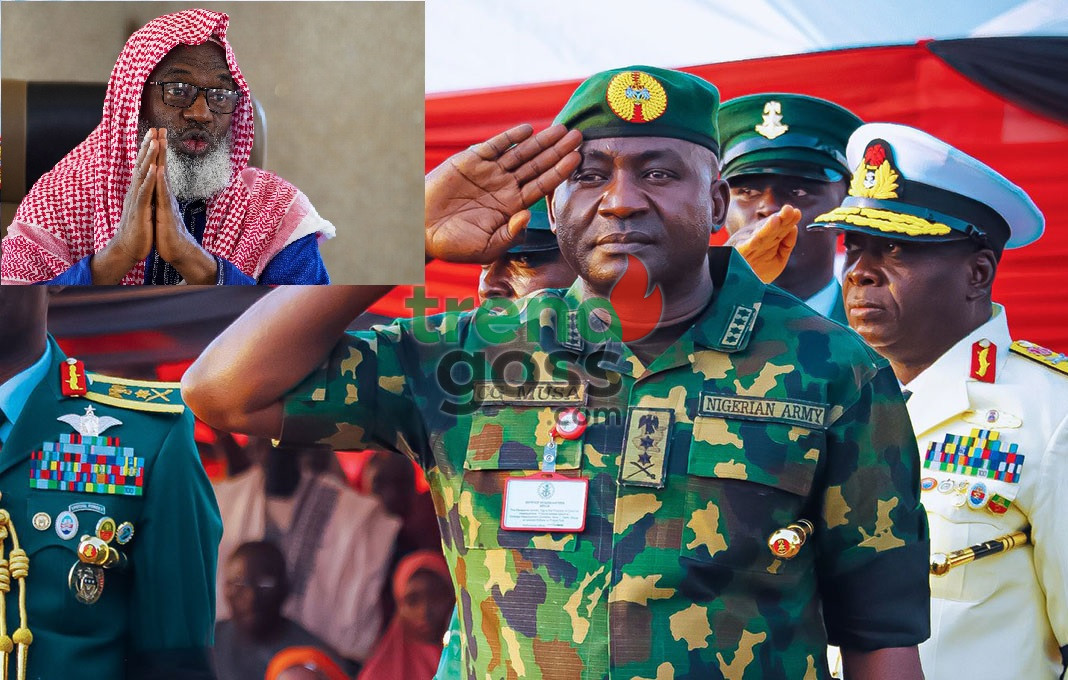
Turkey Base, Troop Training & Gumi’s Call: Coincidence or Policy Shift?
Nigeria’s security conversation has taken a new turn after reports that the Federal Government is deepening military ties with Turkey—including plans for a base presence and the training of about 200 Nigerian soldiers. The development comes months after cleric Ahmad Gumi publicly urged authorities to seek support from Muslim-majority countries like Turkey and Pakistan instead of Western partners. The timing has sparked a pointed question: coincidence, or is Abuja listening?
On the surface, the government’s move can be framed as pragmatic. Counterterrorism requires capability, and partnerships are often driven by cost, equipment compatibility, intelligence sharing, and training pipelines. Turkey’s growing defense industry and experience in asymmetric warfare make it an attractive partner. For the Nigerian Armed Forces, diversifying alliances could broaden options and reduce overreliance on any single bloc.
But context matters.
Gumi has long been a controversial voice in Nigeria’s security debate, with critics accusing him of being overly sympathetic to armed groups, even as he insists he is advocating dialogue and de-escalation. That perception complicates how his suggestions are received. So when policy directions appear to align—however loosely—with his earlier calls, skepticism is inevitable.
Does this mean the government is adopting Gumi’s position? Not necessarily.
Policy decisions of this scale typically follow internal assessments, diplomatic engagements, and strategic reviews—not public commentary alone. Still, perception can shape public trust. For many Nigerians, the overlap raises concerns about influence, intent, and transparency. If citizens already doubt certain voices, any alignment—intentional or not—can deepen unease.
There’s also a broader shift at play. Globally, countries are recalibrating partnerships based on evolving security needs. Nigeria exploring new military relationships could simply reflect that reality. The key question is whether these partnerships will translate into measurable gains on the ground—fewer attacks, safer communities, and stronger institutions.
In the end, coincidence or not, the burden is on the government to communicate clearly and deliver results. In security matters, outcomes—not optics—will determine public confidence.
#NigeriaSecurity #Gumi #Turkey #Pakistan #CounterTerrorism #MilitaryTraining #NaijaNews #TrendingNigeria #DefensePolicy #PublicDebate #NationalSecurity #Geopolitics