

Shock as Tinubu Reveals Nigeria Will Spend $11.6bn on Debt Servicing This Year
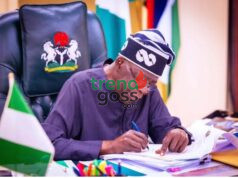
Fresh concerns over Nigeria’s economic future have emerged after President Bola Ahmed Tinubu revealed that the country is expected to spend a staggering $11.6 billion on debt servicing this year alone.
The disclosure has triggered widespread debate among economic analysts, political observers, and ordinary Nigerians already struggling under rising inflation, fuel costs, and economic hardship.
According to the presidency, the massive debt servicing obligation reflects the weight of Nigeria’s existing financial commitments accumulated over the years. While government officials insist efforts are ongoing to stabilise the economy, many Nigerians are worried about what the growing debt burden could mean for development, infrastructure, and public welfare.
Experts say the amount earmarked for debt repayment could significantly affect government spending in critical sectors such as healthcare, education, agriculture, and security. Concerns are also growing over how much revenue will remain available for capital projects after meeting repayment obligations.
The announcement comes at a sensitive period when Nigeria continues battling currency instability, rising food prices, and pressure on foreign exchange reserves. Economic watchers believe the debt servicing figure highlights the difficult financial balancing act facing the Tinubu administration.
Despite the concerns, government officials argue that reforms introduced by the administration are designed to improve revenue generation, attract foreign investment, and gradually reduce pressure on public finances.
However, critics insist that Nigerians may continue to feel the effects of economic reforms if debt repayment consumes a large portion of national earnings. Some analysts have also warned that increasing borrowing without strong productivity growth could place additional strain on future administrations.
The development is expected to fuel further conversations about Nigeria’s debt profile, fiscal management, and long-term economic sustainability.
As citizens react to the latest figures, many are now asking whether the country can successfully navigate its economic challenges while still meeting the growing demands of debt repayment and national development.
With global economic uncertainty, rising oil market volatility, and domestic financial pressure, the Tinubu administration faces increasing scrutiny over how it plans to steer Africa’s largest economy through difficult times.
#Tinubu #NigeriaDebt #DebtServicing #NigeriaEconomy #EconomicCrisis #BolaTinubu #BreakingNews #Inflation #PublicDebt #NigeriaNews