

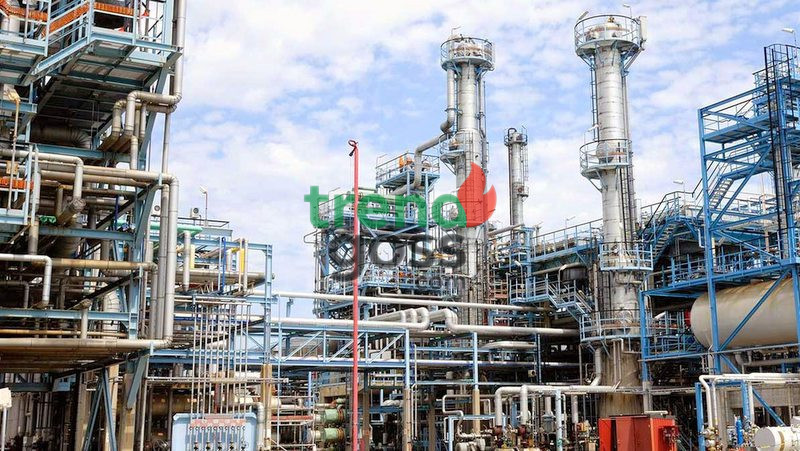
“Refineries Will Never Work Again?” Obasanjo’s Stark Warning Ignites Fresh Oil Sector Debate
A bold statement attributed to Olusegun Obasanjo has set off intense reactions across Nigeria’s energy space: the claim that the nation’s state-owned refineries may never work again. It’s a remark that cuts deep into a long-standing national frustration—and raises an uncomfortable question: is this realism or resignation?
Nigeria’s refineries, managed by the Nigerian National Petroleum Company Limited (NNPC), have for years struggled with underperformance, repeated shutdowns, and costly rehabilitation efforts. Billions have reportedly been spent on maintenance and upgrades, yet output has remained inconsistent, forcing the country to rely heavily on fuel imports.
So why would such a strong conclusion be made?
Supporters of Obasanjo’s view argue that systemic issues—aging infrastructure, inefficiency, and management challenges—have made the refineries difficult to revive. From this perspective, continued investment in them may appear like pouring resources into a cycle that has yet to deliver sustainable results.
But others strongly disagree.
Critics see the statement as too definitive, insisting that with the right reforms, transparency, and technical partnerships, the refineries can still be rehabilitated. They argue that abandoning them entirely could deepen Nigeria’s dependence on imports and weaken long-term energy security.
The timing also matters.
With ongoing discussions around local refining capacity and private sector participation, comments like this can influence public perception and policy direction. They may either push for alternative solutions or reinforce skepticism about existing government-led efforts.
For many Nigerians, the issue is personal.
Fuel availability and pricing directly affect daily life—from transportation to food costs. The idea that national refineries might never function again only adds to concerns about long-term stability and affordability.
So, is this the final verdict on Nigeria’s refineries?
Not necessarily. While the challenges are undeniable, the future of the sector is still being shaped by policy decisions, investments, and evolving strategies. What remains clear is that Nigerians are seeking results—not just statements.
As the debate unfolds, one thing stands out: whether through public refineries or private alternatives, the pressure is on to deliver a system that works—reliably, efficiently, and sustainably.
#Obasanjo #NNPC #NigeriaRefineries #OilSector #NaijaNews #TrendingNigeria #EnergyCrisis #FuelSupply #EconomicDebate #Governance #EnergySecurity #NigeriaEconomy