

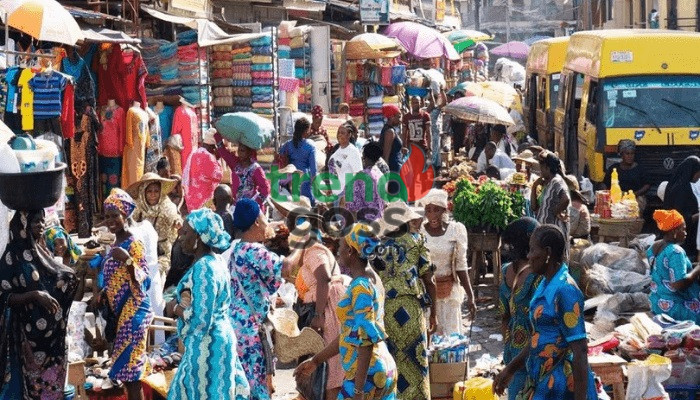
After months of economic pressure, there is a narrative shift in Nigeria’s inflation story — and it’s catching public attention. The headline inflation rate dropped sharply to 15.10% in January 2026, a substantial reduction from the 34.8% peak recorded in late 2024. This improvement was largely driven by monetary policy adjustments and structural reforms that strengthened exchange rate stability and expanded foreign reserves.
The implications are significant. Commodity prices for staples like garri, tomatoes, beans, and even plantain have softened, offering relief to households that have been grappling with food costs. The Central Bank of Nigeria’s strategy appears to be working, with external reserves rising significantly, helping to cushion the naira and limit sharp currency volatility.
Yet even as the official figures improve, the lived experience for many Nigerians remains complex.
Sharp price declines for certain food items have not translated into uniform relief across all markets. Transportation costs and utility expenses remain high in some regions, and consumer confidence — while improving — has not fully recovered. Some households are still adjusting to new spending patterns, cutting back on discretionary expenses, and recalibrating long-term financial plans.
The debate on social media reflects this mixed reality. Some celebrate the early signs of economic stability, hopeful that sustained reforms could eventually reduce inflation to single digits. Others caution that the real test will be in whether wage growth, job opportunities, and purchasing power catch up with price stabilization.
Inflation moderation is a welcome signal. But for many Nigerians, the real measure of progress will not be reported percentages — it will be daily life at the market, at the gas station, and around the dinner table.
#NigeriaEconomy #InflationUpdate #CostOfLiving #TrendingNigeria #PublicDebate