
“Nigeria Would Have Collapsed!” — Presidency Defends Tinubu’s Harsh Economic Reforms Amid Rising Hardship
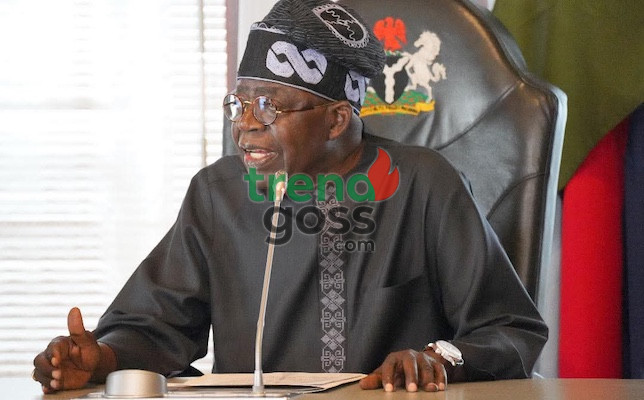
The Presidency has mounted a strong defense of President Bola Ahmed Tinubu’s controversial economic reforms, insisting that the painful policies introduced by the administration prevented Nigeria from sliding into a far worse economic disaster.
Speaking at a Northern Stakeholders Town Hall in Kaduna, presidential spokesman Sunday Dare declared that the removal of fuel subsidy and foreign exchange reforms were “difficult but necessary” decisions aimed at saving Nigeria’s economy from collapse.
But while the Presidency insists the policies are working, millions of Nigerians continue asking the same question:
If the economy has been saved, why are ordinary people suffering more than ever?
Since the removal of petrol subsidy and the floating of the naira, Nigerians have battled soaring fuel prices, rising food costs, transport hikes, and shrinking purchasing power. Many households now struggle daily with inflation and economic uncertainty.
Yet the government argues that continuing the old subsidy system would have pushed the country deeper into fiscal crisis.
According to Sunday Dare, the reforms were designed to restore investor confidence, stabilize public finances, and position Nigeria for long-term economic growth. He maintained that the administration could no longer sustain policies that drained government resources without delivering lasting economic value.
The event itself also carried political undertones.
Organized by supporters of Tinubu under the banner of the Tinubu Door-to-Door Movement, the gathering featured open support for the president’s possible 2027 re-election bid. Participants argued that continuity in policy implementation was necessary for long-term economic recovery.
Meanwhile, experts at the forum acknowledged that reforms often come with painful consequences but stressed that success would depend heavily on consistent implementation and the government’s ability to respond to public concerns.
Still, skepticism remains widespread.
Many Nigerians believe the benefits of the reforms are yet to reflect meaningfully in everyday life. While government officials point to fiscal stability and investor confidence, citizens continue to judge the economy through the realities of food prices, electricity bills, transportation costs, and job opportunities.
That disconnect is becoming increasingly difficult to ignore.
As 2027 slowly approaches, the Tinubu administration may face its biggest political challenge yet:
Convincing Nigerians that today’s hardship will eventually lead to tomorrow’s prosperity.
#Tinubu #NigeriaEconomy #FuelSubsidy #SundayDare #2027Election #NaijaNews #TrendingNigeria #EconomicReforms #CostOfLiving #PublicDebate #NigeriaPolitics #Inflation