

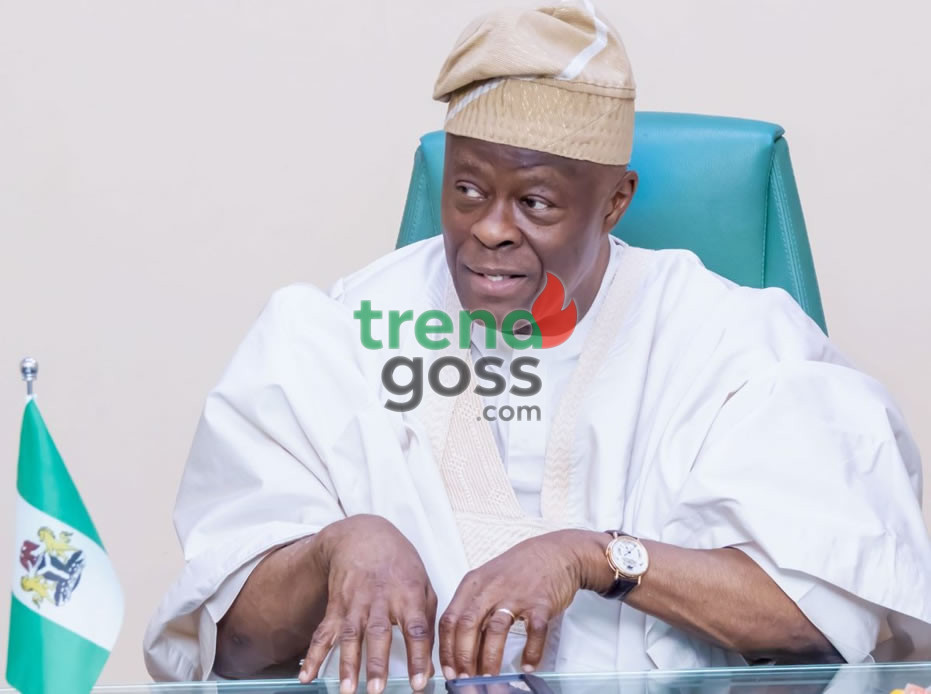
Tinubu Replaces Wale Edun with Oyedele: Reform Reset or Calculated Move?
Reports that Bola Ahmed Tinubu has replaced Wale Edun with Taiwo Oyedele have stirred a fresh round of debate about the direction of Nigeria’s economic policy. Beyond the headline, Nigerians are asking a deeper question: is this a strategic shift—or a response to internal disagreements?
Edun has, in recent months, been associated with cautionary views on borrowing, warning that rising debt levels could become unsustainable if not carefully managed. Those comments resonated with a public already worried about inflation, currency pressure, and the cost of living. His reported exit has therefore triggered speculation that dissent within the economic team may have played a role.
But is that conclusion justified?
Government reshuffles are not unusual, especially when administrations recalibrate priorities. Bringing in Oyedele—widely known for his work on tax policy—suggests a possible pivot toward revenue generation and tax reform. In theory, strengthening domestic revenue can reduce reliance on borrowing. In practice, however, it raises concerns about how those revenues will be raised and who will bear the burden.
That’s where public anxiety is growing.
Many Nigerians associate tax reforms with increased pressure on already stretched households and businesses. If reforms are perceived as “unpopular taxes,” trust can erode quickly, especially in an environment where citizens already question the value they receive in return for what they pay.
Supporters of the move argue that Nigeria’s fiscal challenges require tough decisions. Expanding the tax base, improving compliance, and closing leakages could strengthen the economy over time—if implemented transparently and fairly. Critics, however, warn that without visible improvements in governance, infrastructure, and public services, higher taxes may feel punitive rather than reformative.
So, is this a good move?
The answer depends on outcomes, not intentions. If the transition leads to smarter revenue policies, reduced waste, and improved public services, it could mark a positive reset. But if it results in heavier burdens without visible benefits, skepticism will only deepen.
For now, Nigerians are watching closely. In a fragile economic climate, every policy shift carries weight—and every decision will be judged not by explanation, but by impact.
#Tinubu #WaleEdun #TaiwoOyedele #NigeriaEconomy #EconomicPolicy #TaxReform #NaijaNews #TrendingNigeria #FiscalPolicy #PublicDebate #Governance #Accountability