
There is a dangerous mood quietly spreading across Nigeria.
It is not loud everywhere yet.
It is not always spoken directly.
But it is growing.
And that mood is this:
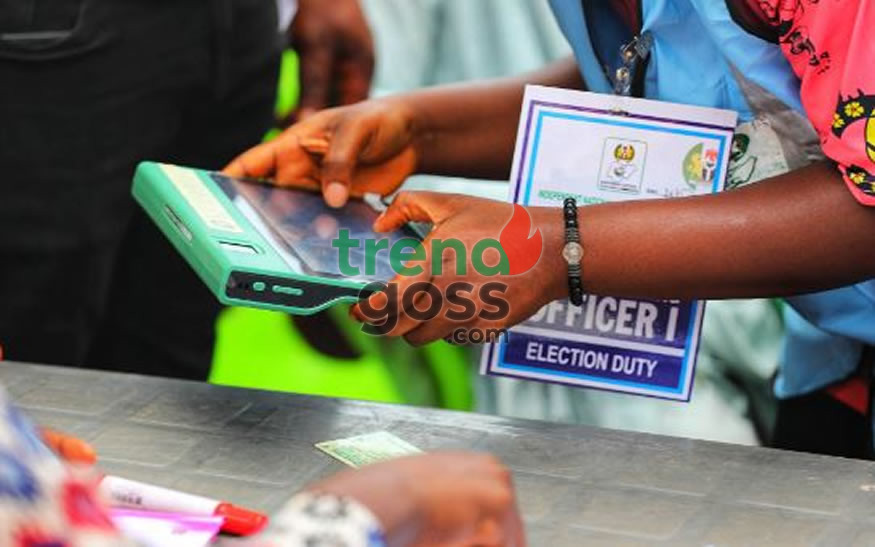
Many Nigerians are beginning to fear that 2027 may already be compromised before a single vote is cast.
That is not because the election has happened.
It is because the environment around the election is already making people uneasy.
And once citizens begin to lose faith before the ballot, democracy enters very dangerous territory.
The first reason is obvious: the shrinking confidence in opposition space.
The current ADC–INEC crisis has only deepened that fear. INEC has stopped recognising rival ADC factions and suspended official dealings with the party pending court resolution — a move ADC leaders have described as an attack on democracy. The party’s current leadership under David Mark has openly demanded the resignation of the INEC chairman, while opposition voices say the development reinforces fears that emerging alternatives are being institutionally boxed in before 2027 fully opens.
And Nigerians are not watching that in isolation.
They are also watching how fast the political class has already abandoned governance for positioning.
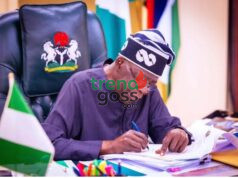
President Tinubu ordered appointees seeking office in 2027 to resign by March 31, and that directive has already triggered a wave of exits from his government. Ministers and agency heads are stepping away not because Nigeria has been fixed, but because the next power contest has already become the bigger obsession. To ordinary citizens, that sends a painful message: the political elite has mentally moved on to 2027 while the people are still trapped in 2026 suffering.
Then there is the issue of leadership optics and emotional disconnect.
Tinubu’s controversial Jos visit after the Plateau killings deepened public frustration, with critics calling it “airport-only” and accusing the presidency of handling grief with distance rather than presence. Whether one agrees fully or not, the public reaction revealed something serious: many Nigerians no longer feel emotionally protected by power. And when citizens stop feeling seen by leadership, political trust starts dying silently.
There is also the worsening backdrop of insecurity and fear.
How do people trust an election season in a country where communities are still being attacked, where grief is recurring, and where the state often looks reactive instead of in control? A democracy cannot feel stable when the society around it feels wounded and combustible.
Then comes the deepest problem of all:
Nigerians no longer only fear rigging in the old sense.
They now fear something more sophisticated.
They fear elections being weakened through institutions, technicalities, legal paralysis, elite bargaining, recognition battles, party sabotage, selective enforcement, and strategic confusion.
That is the new fear.
Not just “who will count the votes?”
But:
Who is shaping the field before the people even get to vote?
That is what makes this moment so dangerous.
Because if people begin to believe that parties can be destabilized, opposition can be slowed, institutions can be leaned on, and public suffering can be politically managed while power quietly arranges itself — then election day itself starts looking less like a national choice and more like the final stage of a process already decided elsewhere.
And once that belief hardens, democracy begins to rot from the inside.
That is why 2027 is beginning to feel compromised to many Nigerians.
Not because the result is already known.
But because faith is already being damaged.
And when a country enters an election without trust, without emotional confidence, without institutional credibility, and without a believable sense of fairness, the danger is no longer just political.
It becomes national.
That is the real warning.
Because if Nigeria does not restore public confidence now, 2027 may not only be fiercely contested.
It may be deeply distrusted.
And that can be just as dangerous.
#2027Elections #INEC #ADC #Tinubu #NigeriaPolitics #TrendingNigeria #OppositionPolitics #DemocracyCrisis #PublicOpinion #Trendgoss