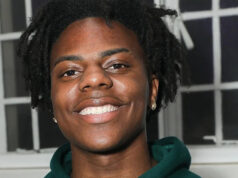


Nigerian social media has once again found itself at the center of a controversy that is as emotional as it is explosive.
This time, the name dominating conversations is Blessing CEO.
What began as a deeply emotional revelation quickly turned into a national online debate after Blessing CEO publicly claimed she was battling stage 4 cancer, a disclosure that initially drew sympathy, concern, and emotional support from followers. Clips circulating on Instagram show her tearfully saying she was scared and that her “days are numbered,” a claim that quickly spread across Nigerian blogs and social media pages.
But in Nigeria’s online space, sympathy rarely survives long without scrutiny.
Not long after the claim went viral, serious allegations began surfacing that the medical result shared in connection with her illness may not actually belong to her. The controversy escalated when a report published alleged that the family of a woman identified as Deborah Mbara had accused Blessing CEO of allegedly using and editing their daughter’s genuine medical document to support her public cancer claim. According to the report, the family’s lawyer is demanding an explanation and claims the circulating version may have been altered.
And that is where this story stopped being just celebrity gist.
Because once a person invokes something as serious as cancer, the conversation immediately becomes bigger than fame, clout, or influencer drama.
It becomes a question of trust.
If the claim is true, then what Blessing CEO would deserve most right now is compassion, privacy, and proper medical support.
But if the allegations of result manipulation are eventually proven true, then this would not just be another social media scandal.
It would be something far more damaging.
Because illness — especially something as frightening as stage 4 cancer — is not just content. It is not engagement. It is not a strategy.
It is a reality that millions of people and families are fighting every day.
And that is why many Nigerians are reacting with unusual intensity.
Some people are defending her, saying the internet has become too cruel and too quick to accuse people without full evidence. Others are far less forgiving, arguing that public figures who repeatedly live through controversy eventually create the conditions where even genuine pain is met with doubt.
And perhaps that is the deepest tragedy in all of this.
When a public personality becomes too closely associated with performance, drama, and provocation, even moments that should attract empathy begin to trigger suspicion.
That is a dangerous place to arrive.
Because if people stop believing serious health disclosures, then the damage goes beyond one influencer.
It affects the culture.
It makes society colder. More cynical. Less compassionate.
At the same time, if private medical records were truly used or circulated without consent, that opens another disturbing conversation entirely — one about privacy, exploitation, and the weaponization of illness in the social media age.
Right now, what exists publicly is controversy, accusation, and public doubt — not a final legal or medical conclusion.
But even without a courtroom verdict, one thing is already painfully clear.
This saga has exposed how fragile public trust has become in Nigeria’s digital celebrity space.
And once trust is broken, even tears can start to look like performance.
That may be the most uncomfortable truth of all.
#BlessingCEO #TrendingNigeria #NaijaCelebrities #CelebrityControversy #CancerClaim #SocialMediaDrama #NaijaGist #InfluencerCulture #EntertainmentNews #Trendgoss