

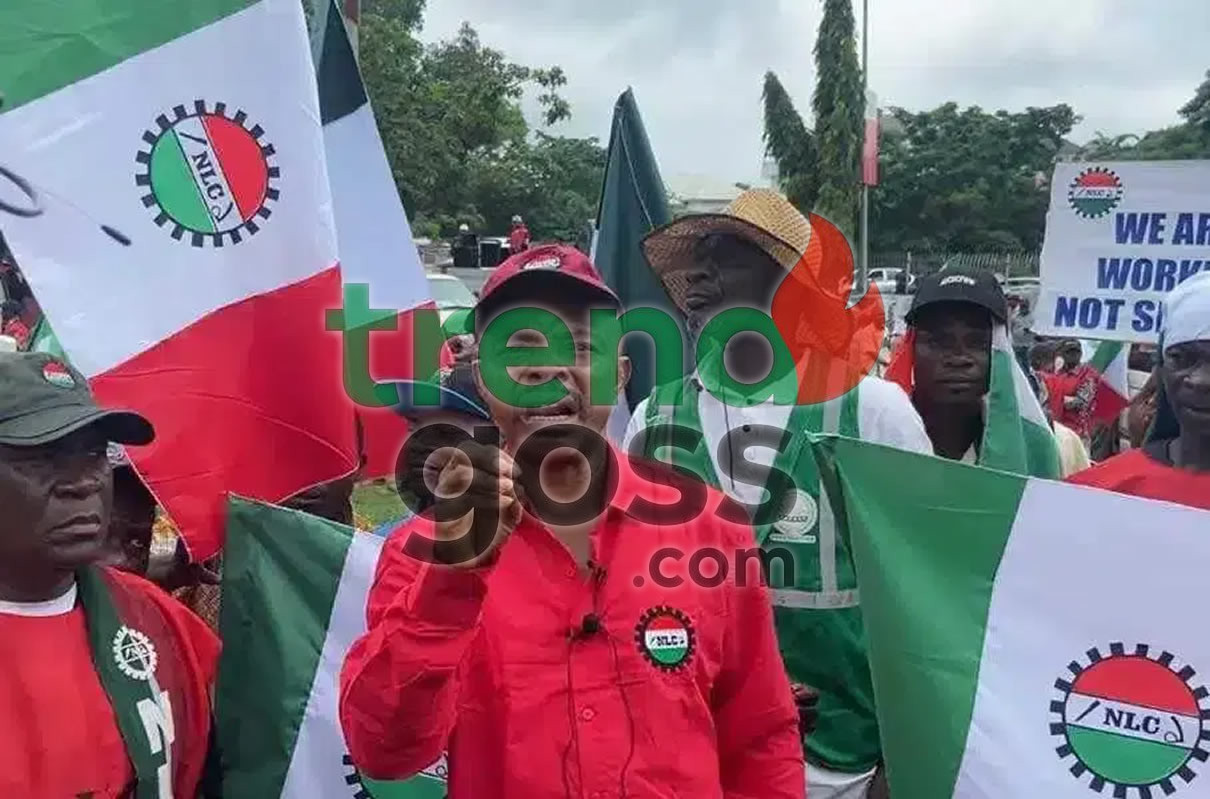
₦250,000 Living Wage Now? Workers Turn Up Heat After May Day Rally
The echoes of International Workers’ Day have barely faded, yet Nigeria’s labour movement is already escalating pressure on the government. Leading voices within the Nigeria Labour Congress (NLC) and the Trade Union Congress of Nigeria (TUC) are now pushing for a new benchmark—a living wage reportedly as high as ₦250,000—amid worsening inflation and economic strain.
But is this demand realistic, or a necessary correction to economic hardship?
For millions of Nigerian workers, the current cost of living tells a harsh story. Rising food prices, transport costs, rent, and utilities have significantly eroded purchasing power. What once seemed manageable wages now struggle to cover basic needs, fueling calls for a more realistic income standard.
Labour leaders argue that this is no longer optional.
They insist that wages must reflect economic realities, not outdated benchmarks. In their view, a living wage is about dignity, survival, and productivity—ensuring workers can meet basic needs without constant financial stress.
Yet, the demand raises tough questions.
Can the government and private sector sustain such a significant increase without triggering further inflation or job cuts? Critics warn that a sharp wage adjustment, if not carefully implemented, could place additional pressure on businesses already grappling with high operating costs.
Still, the urgency is undeniable.
Inflation continues to shape daily life, making economic relief a central issue for households. Workers are not just asking for higher pay—they are demanding practical policies that can stabilize prices, strengthen the currency, and improve overall economic conditions.
Public sentiment appears divided.
Some Nigerians strongly support the demand, seeing it as long overdue. Others fear unintended consequences, emphasizing the need for a balanced approach that combines wage increases with broader economic reforms.
So, what happens next?
Negotiations are expected to intensify, with both sides weighing economic sustainability against social necessity. The outcome could redefine wage structures and set a precedent for future adjustments.
One thing is certain.
The conversation has shifted—from whether wages should increase to how far and how fast. And in a climate of rising hardship, the pressure for action is only growing stronger.
#LivingWage #NLC #TUC #NigeriaEconomy #NaijaNews #TrendingNigeria #InflationCrisis #WorkersRights #EconomicReform #CostOfLiving #LabourMovement #PublicDebate