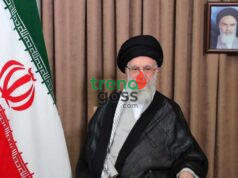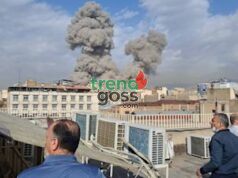

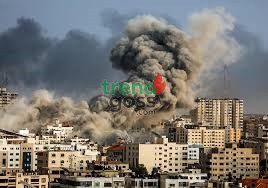
Since late February, the U.S. and Israel have been conducting coordinated air and missile campaigns across Iran, striking military sites, air defenses, and leadership targets in Tehran and other cities. Iranian retaliation has included ballistic missiles and drone strikes targeting Israel, Gulf states, and U.S. military assets in the region. Casualty figures continue to climb across all sides.
Iran’s response has been widespread:
• Iranian forces and affiliated militias fired missiles at Israel and several Arab states, including Kuwait and the UAE, hitting military sites and in some cases civilian areas.
• Reports indicate U.S. Embassy facilities (e.g., Riyadh) were hit by Iranian drones, causing a blaze.
Israeli authorities have confirmed that the conflict may last for some time, though leadership insists it will not be prolonged for years. Israeli Prime Minister Benjamin Netanyahu said the war, now in its fourth day, could extend beyond initial projections but aims to neutralize key threats.
🔺 Regional Expansion: Lebanon and Hezbollah
The war has quickly spread beyond Iran and Israel:
• Hezbollah, the Iranian-aligned group in Lebanon, has launched missile and drone attacks into northern Israel, prompting heavy Israeli airstrikes in Beirut and southern Lebanon.
• These clashes have resulted in significant casualties and widespread displacement as civilians flee combat zones.
This widening conflict marks a major escalation from earlier limited engagements and risks drawing neighboring states deeper into hostilities.
⚠️ Civilian and Infrastructure Impact
Reports indicate that continued strikes have severely affected hospitals, schools, and civilian infrastructure in Iran, leading Tehran to call for international action over the humanitarian toll.
The broader conflict is already disrupting air travel, shipping, and global supply routes, particularly through the Strait of Hormuz — a key artery for oil exports. Disruptions there have contributed to higher oil prices worldwide, affecting markets and logistics.
In response to attacks, several Gulf countries have activated air defenses, intercepting hundreds of incoming missiles and drones, though some have struck civilian areas, resulting in fatalities among foreign nationals.
🔌 Information Blackout and Cyber Aspects
As part of the conflict, Iran has experienced a nationwide internet shutdown lasting more than 48 hours, reportedly linked to cyber-warfare operations connected to the wider military campaign. Connectivity in the country has dropped drastically, further complicating communications for civilians and journalists.
🌍 What Comes Next? Prospects and Risks
Current leadership stances suggest the conflict will not be short-lived:
• Israeli leadership expects the war to continue beyond initial timelines but not become protracted like past Middle East wars.
• U.S. officials have indicated the goal is to weaken Iran’s missile and military infrastructure, not establish long-term occupation, though ground troop involvement remains an open strategic option.
Risks of further escalation remain high, including:
• Wider involvement from Iran-aligned groups across the region, such as Hezbollah and militias in Iraq and Syria.
• Additional attacks on Gulf oil infrastructure, raising global energy concerns.
• Civilian displacement and humanitarian crises as urban centers in Iran, Lebanon, and potentially other states face bombardment.
Diplomatic pressure is mounting: The United Nations Security Council has held emergency sessions with calls for de-escalation, but divisions among major powers have slowed unified action.
Key Takeaways (Today, March 3, 2026)
The Iran war continues to rapidly evolve with:
➡️ Ongoing U.S.–Israel strikes and Iranian retaliation spreading across the Middle East.
➡️ Regional hotspots widening – notably Lebanon via Hezbollah.
➡️ Major civilian impacts, humanitarian concerns, and disruption of global supply routes.
➡️ Geopolitical uncertainty as global powers react to escalation.
#IranWarUpdate #MiddleEastCrisis #IsraelIranConflict #Hezbollah #GlobalSecurity #Trendgoss #BreakingNews #OilMarket #WorldPolitics