
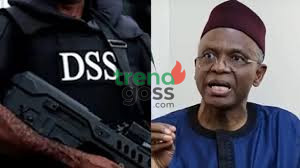
In a national drama that’s dividing public opinion, the Department of State Services (DSS) has scheduled the arraignment of former Kaduna Governor Nasir El-Rufai on alleged cybercrime and national security breach charges.
The case stems from claims that during a televised interview, El-Rufai admitted involvement in intercepting the telephone communications of the National Security Adviser — an admission the DSS says violated the Cybercrimes (Prohibition, Prevention, etc.) Amendment Act, 2024 and the Nigerian Communications Act, 2003.
To many Nigerians, this moment represents something bigger than legal technicalities. It’s a rare instance where a prominent political figure faces serious charges related to digital security and national trust. In Nigeria’s evolving governance landscape, the intersection of technology, politics and accountability is gaining prominence.
Critics insist the move is politically motivated — a vendetta cloaked in prosecution. Supporters of the DSS claim it is a necessary step toward enforcing the rule of law, regardless of status or position.
The heart of the matter is trust. Nigeria’s socio-political discourse is hungry for systems that protect citizens and enforce rules equitably. When public figures are perceived to operate above the law, faith in institutions falters.
Whether El-Rufai’s case leads to conviction, acquittal, or settlement, the process itself is a test. It challenges the justice system’s ability to navigate complex political and technological claims without bias.
In a world where security breaches can cripple governance and public confidence, Nigeria’s legal framework must be robust — and its enforcement transparent.
This case isn’t just about one man. It’s about how seriously a nation takes the rule of law in the digital age.
#ElRufai #DSS #CybercrimeNigeria #JusticeSystem #PublicOpinion #TrendingNigeria