
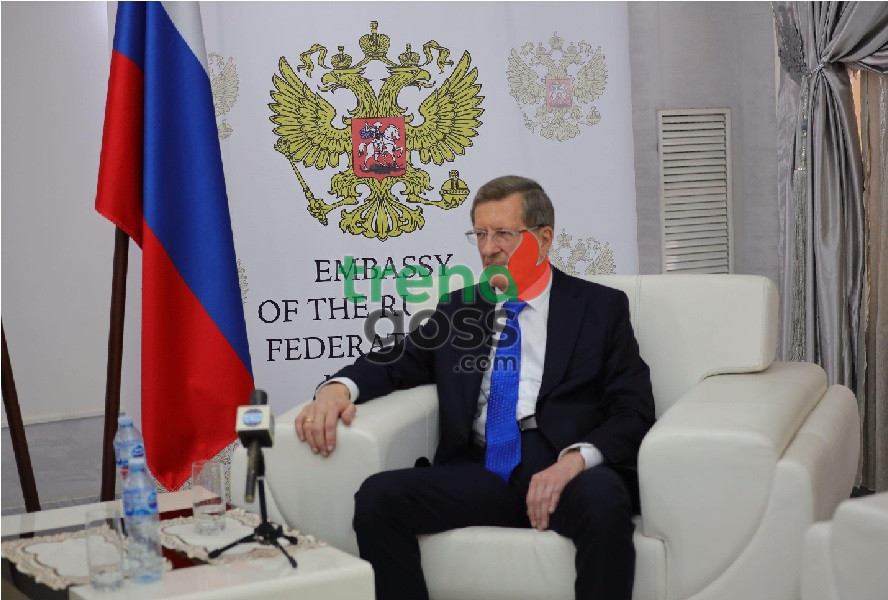
Russia’s growing push into Africa is no longer only about military ties or diplomacy.
It is now increasingly about money, trade systems, payment networks, and long-term influence.
And with Nigeria now being included in Russia-linked financial and strategic planning across Africa, the big question is no longer whether Moscow wants a deeper foothold on the continent.
The real question is:
What exactly does Nigeria gain from this — and at what cost?
Recent economic and diplomatic reports show that Nigeria is being positioned as a major financial and strategic player in Africa’s evolving architecture, especially around continental trade, alternative payment systems, and cross-border monetary cooperation. Nigeria has also deepened its role in Africa’s own financial integration agenda, including hosting institutions tied to the continent’s future monetary system.
On the surface, that sounds promising.
A stronger financial network across Africa could help reduce overdependence on Western systems, improve trade settlement, support local currencies, and create new business channels for Nigerian banks, exporters, and regional investors.
But Nigerians should not be naïve.
Because whenever powerful foreign states begin building “strategic networks” around weaker economies, the language is always polished.
Partnership.
Cooperation.
Mutual growth.
Shared prosperity.
But behind those words, influence is often the real currency.
That is why this development should be watched carefully.
Russia is not entering Africa out of charity.
It is entering because Africa — and especially Nigeria — is becoming too economically important to ignore.
Nigeria is Africa’s biggest population, one of its most influential consumer markets, and a critical gateway to West African finance and politics.
So yes, this could create opportunity.
But it could also create dependency, quiet leverage, and geopolitical manipulation if Nigeria joins strategic financial arrangements without strong safeguards, transparency, and national-interest discipline.
That is the heart of the issue.
Because what Nigeria needs is not just to be “included” in big international plans.
Nigeria needs to ensure those plans actually improve jobs, trade access, financial stability, industrial growth, and economic dignity for its own people.
Otherwise, it will just be another elite foreign-policy headline with no meaningful change on the street.
And Nigerians have seen enough of that already.
#RussiaNigeria #AfricaFinance #NigeriaEconomy #Geopolitics #TrendingNigeria #FinancialNetwork #NaijaPolitics #PublicOpinion #AfricaTrade #Trendgoss