
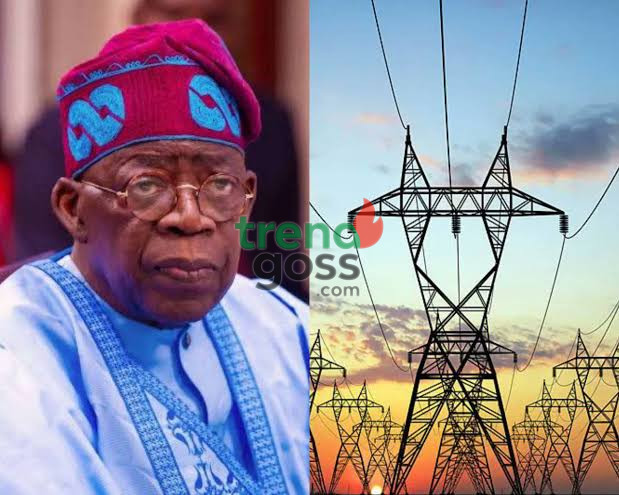
Nigeria is once again facing a crisis that feels all too familiar — darkness.
Across many parts of Nigeria, businesses are struggling, households are frustrated, and daily life has become even more difficult as power supply continues to collapse. Reports indicate that the situation has been worsened by gas suppliers shutting down operations due to huge debts owed to them, crippling electricity generation nationwide.
But what is making this moment more controversial is not just the blackout.
It is the growing perception that the government, led by Bola Ahmed Tinubu, is not treating the power crisis with the urgency it deserves.
Instead, conversations online are shifting toward something else — politics and priorities.
Nigerians are beginning to ask uncomfortable questions.
How does a country already battling economic hardship, rising fuel costs, and inflation suddenly find itself in prolonged darkness? And more importantly, why does it seem like political activities, especially those tied to future elections, are receiving more visible attention than the power crisis itself?
For many citizens, this is where frustration turns into anger.
Electricity in Nigeria is not just a convenience. It is survival.
Small businesses depend on it to stay open.
Students rely on it to study.
Hospitals need it to function effectively.
When power disappears, the ripple effects are immediate and harsh. Generators become the only option, and with fuel prices already high, the cost of simply living increases overnight.
Now, layer that reality with reports and public perception that billions of naira may be going into political positioning and re-election strategies, and the reaction becomes predictable.
People feel ignored.
They feel like the system is focused on the future of politicians, rather than the present suffering of citizens.
Supporters of the government may argue that governance is complex, that energy sector issues involve long-standing debts, structural challenges, and agreements with private suppliers. They may also say that political activities are a normal part of any administration.
But for the average Nigerian sitting in darkness, those explanations are not enough.
Because the experience is real and immediate.
The silence from the power grid is loud.
And every extra hour without electricity feels like a reminder that something is not working.
This situation also raises a deeper concern about accountability.
If gas suppliers can shut down operations due to unpaid debts, what does that say about financial management within the energy sector? And if those debts have been accumulating over time, why were they not addressed before reaching this breaking point?
These are the questions fueling public discourse right now.
Not just about electricity, but about leadership.
Because at its core, this is not only a power issue.
It is a trust issue.
Citizens want to believe that their government is prioritizing their welfare. They want to see action that directly improves their lives, especially in essential areas like electricity.
When that does not happen, and when attention appears to shift toward political ambition, the gap between leadership and the people becomes even wider.
The current blackout may eventually be resolved. Power may return, and life may gradually stabilize.
But the bigger question will remain.
In moments of crisis, what truly comes first — the people or politics?
And until Nigerians feel confident in the answer to that question, the conversation will not go away.
#Tinubu #NigeriaPowerCrisis #ElectricityCrisis #TrendingNigeria #NaijaPolitics #EnergyCrisis #NigeriaNews #CostOfLiving #LeadershipDebate #Trendgoss