

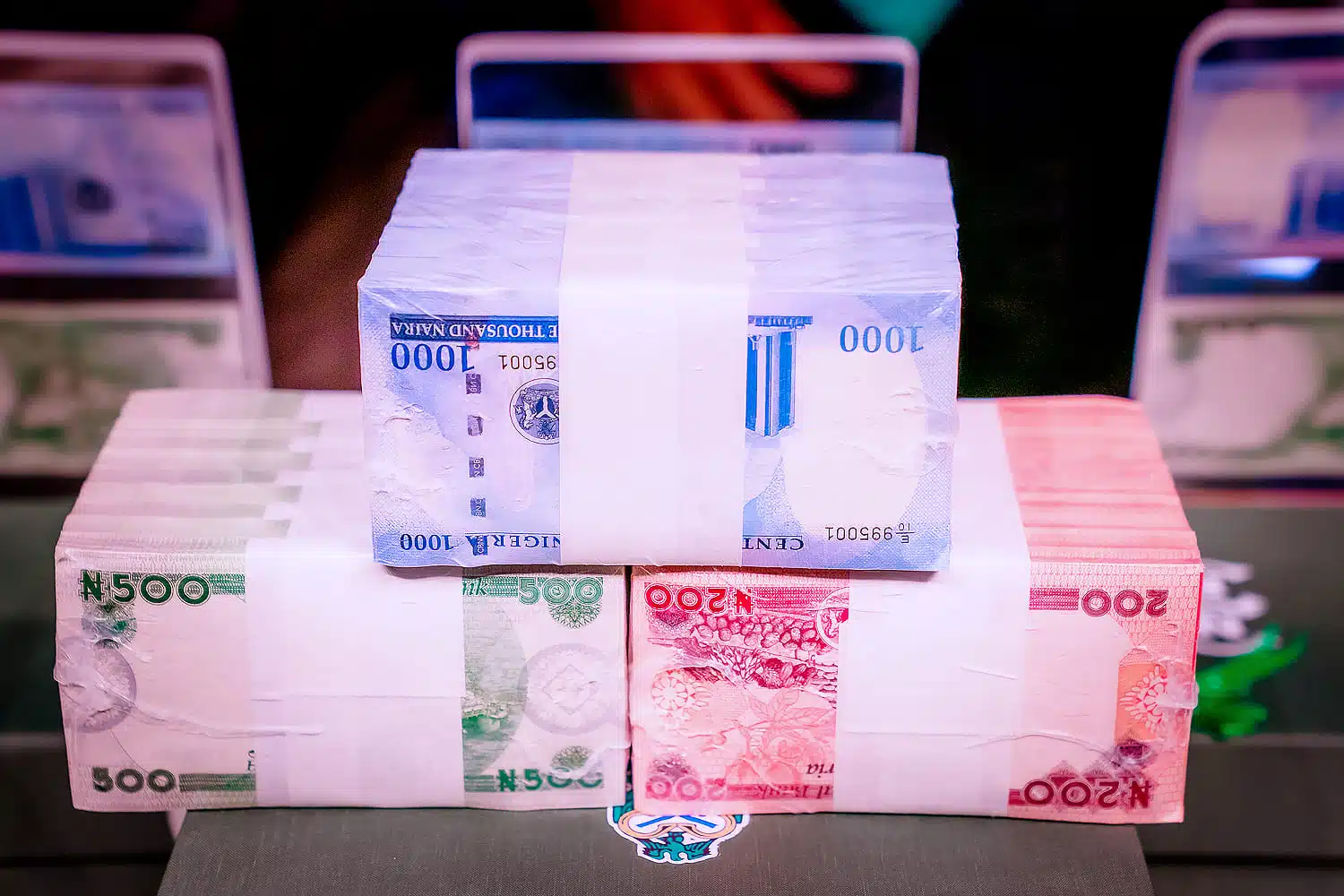
The Nigerian naira has recorded its strongest performance in nearly a year, appreciating to ₦1,444.42/$ at the official market — its best level in ten months.
Analysts link the rally to Nigeria’s removal from the Financial Action Task Force (FATF) grey list, a move that has boosted investor confidence and triggered stronger forex inflows.
According to the Central Bank of Nigeria (CBN), the naira closed October at ₦1,422/$, while the parallel market rate improved to ₦1,465/$, as dollar holders rushed to sell.
Experts credit the surge to a mix of CBN’s FX reforms, enhanced liquidity, and a renewed global perception of Nigeria’s financial credibility after its FATF delisting.
The FATF, supported by the World Bank and IMF, confirmed Nigeria’s removal on October 24, 2025, after the country met its 40 anti-financial crime standards.
President of ABCON, Dr. Aminu Gwadabe, hailed the development, saying:
“The FATF exit has boosted confidence and eased market tension. The naira’s ₦10 gain per dollar shows the market’s positive response.”
He added that Nigeria’s compliance efforts and reforms were fueling optimism for long-term stability.
Reacting, CBN Governor Olayemi Cardoso described the move as “a strong affirmation of Nigeria’s reform path and financial integrity,” adding that the apex bank remains committed to deepening transparency and compliance.
Since June 2023, the CBN’s exchange rate unification policy and Electronic Foreign Exchange Matching System (EFEMS) have narrowed the gap between official and black market rates while discouraging speculation.
The FX Code, which enforces ethical trading and transparency, has also strengthened market discipline.
Market analyst Ifeanyi Ubah noted that Nigeria’s external reserves now stand at $43.10 billion, saying the stronger buffers and improved oil receipts make this rally “more sustainable than past recoveries.”
However, experts warn that maintaining this momentum will depend on fiscal discipline, higher oil output, and export diversification.
As Cardoso stated:
“The era of opaque FX practices is over. Our goal is a transparent, credible, and investor-friendly market.”
For Nigeria, the FATF delisting marks a turning point — restoring confidence, easing international transactions, and reaffirming its place in the global financial system.