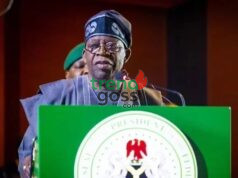


Nigeria’s democratic journey has taken another unexpected turn with the recent amendment to the Electoral Act. After President Tinubu signed the 2026 Electoral Act into law, civil society groups including the Nigeria Civil Society Situation Room and the Movement for the Transformation of Nigeria have mobilized plans for a National Day of Action. Their demand is for mandatory electronic transmission of election results to improve transparency and public confidence — a move they believe is crucial for strengthening Nigeria’s electoral processes.
This response reflects deeper anxieties many Nigerians feel about their democratic institutions. In the past, delays in result announcements, accusations of manipulation, and lack of transparent data access have eroded public trust. Civil society warnings signal that reforms must go beyond rhetoric and must deliver measurable improvements in credibility and fairness.
The protests are not merely about technology. They are about perception — and trust. Many Nigerians see election credibility as foundational to effective governance. Without confidence in how leaders are elected, public engagement and participation risk declining.
As the amended Act begins to be implemented across upcoming elections, it’s clear that citizens do not intend to remain silent observers. They want ownership of the process. And they want assurance that their votes are counted and reported transparently.
This civic energy, while sometimes contentious, also signals a maturing democratic consciousness — one that believes accountability should not be optional, and transparency should be non-negotiable. Whether the government engages with these calls constructively may well shape the political climate leading up to future polls.
#ElectoralAct #NigeriaDemocracy #CivilSociety #PoliticalReform #TrendingNigeria