
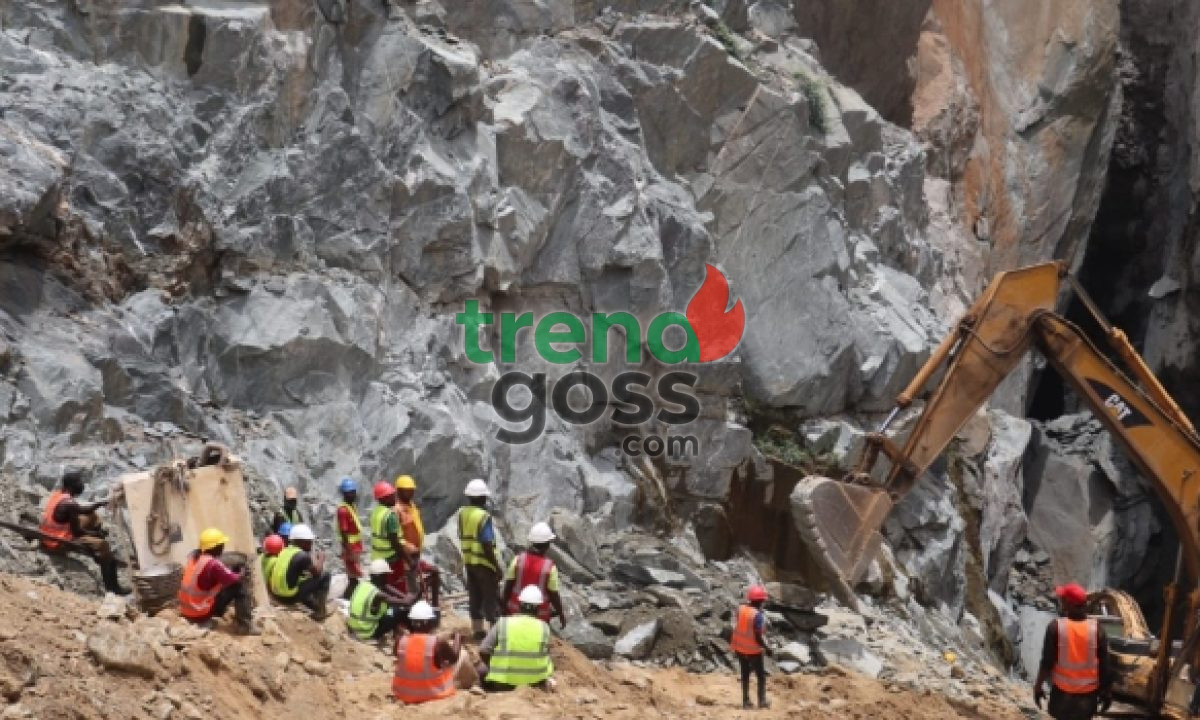
The news of dozens of miners losing their lives in a toxic gas leak in Plateau State sent shockwaves across Nigeria this week. Families in Kampani Zurak woke up expecting a normal day at work — and returned home with heartbreak. At least 37 miners died, and dozens more were hospitalized after inhaling harmful gases in unregulated mining tunnels.
The tragedy is not just a headline — it is a reflection of deeper systemic issues in Nigeria’s extractive sector. Illegal mining has become commonplace in many regions, driven by economic desperation and weak oversight. While mining provides livelihoods for thousands, the absence of safety protocols, proper ventilation systems, and regulatory enforcement turns these workspaces into deathtraps.
Many of the workers were unaware of the dangers posed by toxic gas buildup deep underground. Some mines operate with little to no oversight, lacking ventilation or proper safety training for workers. In communities where formal employment is scarce, people take enormous risks for subsistence wages — and sometimes, they pay the ultimate price.
This tragedy reveals how informal economies can spiral into peril when safety standards are ignored. Everyone hears about mining profits and mineral wealth, but rarely do the stories include the laborers who risk their lives for scraps.
Families now mourn brothers, sons, and fathers whose only fault was seeking a better life. Meanwhile, authorities have shut down the mine and launched an investigation, but questions linger about accountability and systemic reform.
Nigeria’s extractive industry cannot continue operating in the shadows. If tragedies like this are to stop, the government must enforce regulation, provide training, and protect workers who are already vulnerable.
This incident is more than a mining accident. It is a warning.
Lives matter more than ore. Regulation must not be reactive. And human dignity cannot be negotiable.