
Tinubu’s Coastal Mega Project Nears Reality? FG Targets November Deadline for Lagos-Calabar Highway Section Two
The Federal Government of Nigeria has announced that Section Two of the ambitious Lagos-Calabar Coastal Highway is expected to be completed by November, while Section One is already substantially finished and awaiting inauguration. But beyond the official optimism, Nigerians are asking a deeper question: is this truly the beginning of a transformative infrastructure revolution—or another grand project weighed down by politics and controversy?
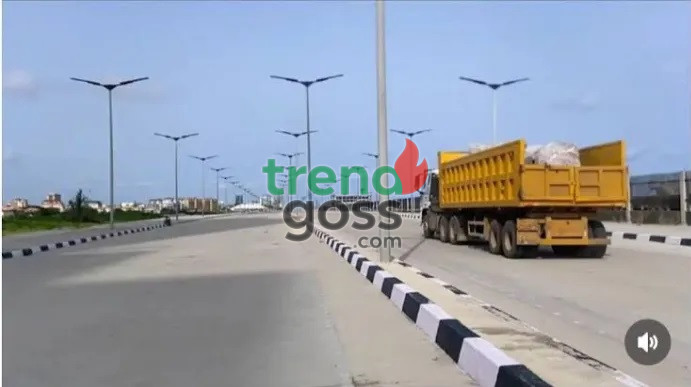
During an inspection tour in Lagos, Dave Umahi, Minister of Works, confidently declared that progress on the highway has exceeded expectations. According to him, major engineering components including underpasses, flyovers, and interchanges are actively progressing under Section Two, while Section One is nearly complete apart from landscaping and finishing touches.
Yet, what caught public attention most was Umahi’s admission that part of the pavement had deliberately been left unfinished because of soil settlement concerns.
Rather than rushing the process, he explained that engineers are monitoring the affected section carefully to avoid structural failure. That revelation has triggered mixed reactions online. Some Nigerians praised the caution and transparency, while others questioned whether the project is being hurried under political pressure ahead of future elections.
Still, supporters of the project insist the highway could become one of Nigeria’s most important economic corridors in decades.
Stretching across multiple states and linking critical commercial zones, the Lagos-Calabar Coastal Highway is being promoted as a legacy project capable of boosting trade, tourism, transportation, and regional integration. Government officials argue that the project reflects balanced development across all geopolitical zones.
But skepticism remains.
Critics continue to question the massive cost of the project at a time Nigerians are battling inflation, fuel hikes, and economic hardship. Others worry about transparency, environmental impact, and whether long-term maintenance will match the ambitious promises being made today.
Umahi, however, insists the roads are designed to last between 50 and 100 years—a bold claim that has added even more attention to the project.
As construction pushes toward Ogun and Ondo axes, expectations are rising rapidly.
For supporters, this is proof that Nigeria can still execute mega infrastructure projects. For critics, the true test will not be commissioning ceremonies, but durability, transparency, and whether ordinary Nigerians genuinely feel the economic benefits.
Until then, the Lagos-Calabar Coastal Highway remains both a symbol of hope—and a project under intense national scrutiny.
#LagosCalabarHighway #Tinubu #DaveUmahi #Infrastructure #NigeriaRoads #NaijaNews #TrendingNigeria #EconomicDevelopment #LegacyProject #PublicDebate #RoadConstruction #NigeriaPolitics