
“Who Is Drinking the Fuel?” Peter Obi Questions Nigeria’s Consumption Figures
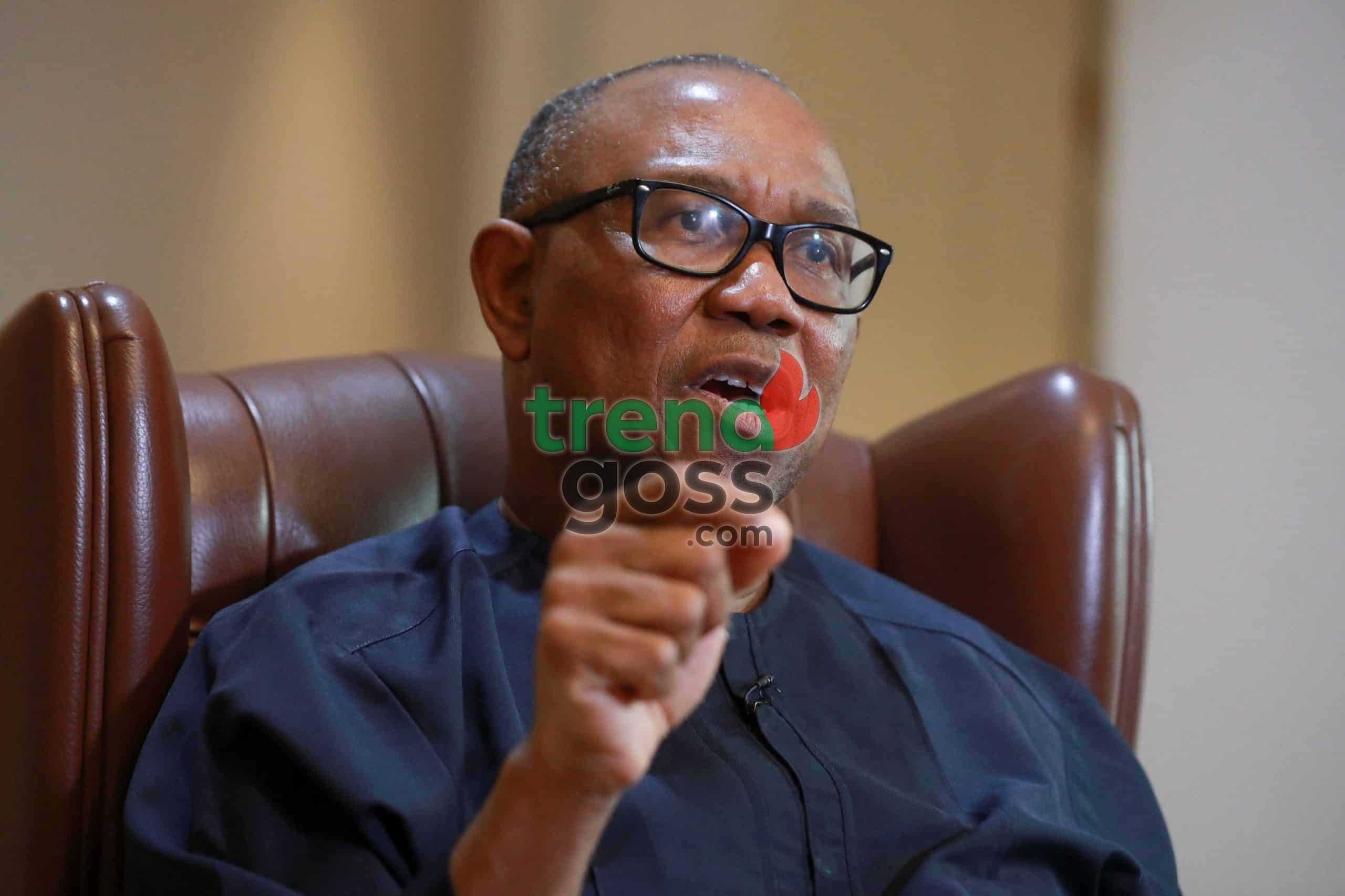
Fresh political controversy has erupted after Peter Obi openly challenged Nigeria’s official fuel consumption figures, insisting the numbers “do not reflect reality” and may be masking deeper abuse within the petroleum subsidy system. His explosive comments have reignited national debate over fuel subsidy, corruption, and the true state of Nigeria’s oil sector.
Speaking during an interview on Trust TV, Obi described subsidy as “organised crime,” arguing that the country’s reported petrol consumption simply does not add up. According to him, empirical evidence suggests Nigeria could not realistically be consuming the volume of fuel often claimed by authorities.
And then came the question now echoing across social media and political circles:
“If Pakistan consumes far less fuel despite having similar population size, more roads, and possibly more vehicles, then who is drinking the balance?”
That statement has struck a nerve.
For years, Nigerians have suspected irregularities within the fuel subsidy regime, with repeated allegations of inflated import figures, smuggling, and systemic corruption. Obi’s comments appear to tap directly into those long-standing frustrations.
But the issue goes beyond politics.
Fuel subsidy removal under Bola Ahmed Tinubu triggered one of the sharpest economic shocks in recent years, pushing petrol prices and transport costs to painful levels. Many Nigerians accepted the hardship on the belief that subsidy itself had become unsustainable and vulnerable to abuse.
Now, Obi argues that removing subsidy alone was not enough.
According to him, the real challenge lies in uncovering loopholes and questioning the credibility of consumption data used to justify massive spending in the first place. His remarks have reopened concerns about transparency in Nigeria’s oil sector and whether the country has truly addressed the root causes of subsidy-related corruption.
Supporters say Obi is raising difficult but necessary questions.
Critics, however, accuse him of politicizing a sensitive economic issue ahead of 2027. Yet, regardless of political affiliation, many Nigerians are still demanding answers about how an oil-producing nation continues to battle high fuel costs and economic hardship.
As debate intensifies, one thing is becoming increasingly clear.
Nigeria’s fuel crisis is no longer just about subsidy—it is about trust, accountability, and whether the full truth about the country’s oil economy has ever really been told.
#PeterObi #FuelSubsidy #NigeriaEconomy #FuelCrisis #NaijaNews #TrendingNigeria #PetrolPrice #OilSector #EconomicDebate #2027Politics #Transparency #PublicOpinion