
Religion or Merit? Fresh Storm as ICC Demands Muslim Governor for Oyo in 2027
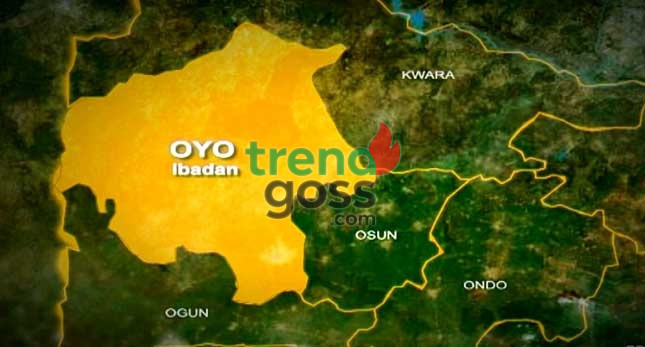
Political tension is beginning to build in Oyo State after the Islamic Coordination Council (ICC) declared that Muslims should produce the next governor in 2027. The statement, which directly challenges remarks linked to Governor Seyi Makinde, has reignited debate over religion, political balance, and the future of power rotation in the state.
At the heart of the controversy is a sensitive question many Nigerians are now asking:
Should leadership be determined by competence and vision—or by religious balancing?
The ICC insists its demand is not about division but fairness. According to the group, Oyo State has operated an unofficial tradition of balancing religious representation in governance, and the emergence of a Muslim governor after Makinde’s tenure would reflect that pattern.
To strengthen its argument, the council pointed to the state’s political history, noting that only six out of 18 governors since 1976 have been Muslims. It also referenced the political conversations that reportedly surrounded Makinde’s re-election campaign and his appointment of a Muslim deputy governor in 2021.
But the issue is already generating mixed reactions.
Supporters of the ICC position argue that religious inclusiveness is necessary in a diverse society like Nigeria, especially in politically sensitive states where representation often influences public trust and political stability.
Critics, however, fear the conversation could deepen identity politics at a time Nigerians are increasingly demanding performance-driven leadership. For them, focusing too heavily on religion risks overshadowing urgent issues like economic development, education, infrastructure, and security.
The controversy also raises broader concerns about Nigeria’s political culture.
Across the country, debates over zoning, ethnicity, and religion continue to shape electoral calculations. While supporters see such arrangements as tools for balance and inclusion, opponents argue they sometimes limit merit and reduce governance to identity negotiations.
Meanwhile, the ICC has warned that ignoring religious balancing in 2027 could strengthen opposition parties and trigger political consequences.
That warning alone suggests the battle for Oyo’s next governorship race may have already begun far earlier than expected.
As political camps quietly reposition, one thing is becoming increasingly clear.
The road to 2027 in Oyo may not just be about who has the best policies—but about who best understands the delicate balance between identity, politics, and public perception.
#Oyo2027 #SeyiMakinde #OyoPolitics #ICC #NigeriaPolitics #NaijaNews #TrendingNigeria #ReligiousPolitics #GovernorshipRace #PoliticalDebate #2027Elections #PublicOpinion