

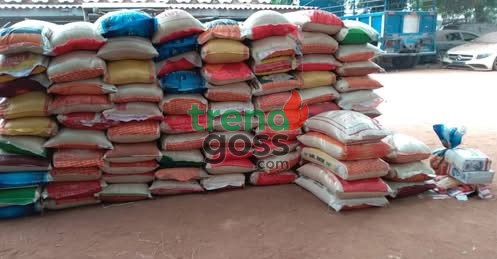
Food Prices Still Climbing? Nigerians Shocked as Beans, Eggs, Garri Rise Despite Inflation Drop
Fresh data from the National Bureau of Statistics (NBS) has sparked new debate across the country after reports showed that prices of everyday essentials like beans, eggs, garri, and other staple foods continue to rise monthly—even as annual inflation figures appear to decline. The contradiction is leaving many Nigerians asking one painful question: if inflation is supposedly easing, why does food keep becoming more expensive?
For ordinary households, the numbers tell only part of the story.
What matters most is the reality at the market. Families struggling to buy basic food items say they are not feeling any relief. From local markets to neighborhood stores, the cost of survival continues to climb, putting additional pressure on already stretched incomes.
This is where the confusion begins.
Economists often explain that a decline in annual inflation does not necessarily mean prices are falling—it simply means they may be rising at a slower pace compared to previous periods. But for many Nigerians, that technical explanation offers little comfort when the actual cost of food keeps increasing month after month.
And food is not just another expense.
Staples like garri, beans, and eggs are central to everyday living for millions. When these items become less affordable, the impact is immediate and widespread. It affects nutrition, family budgets, and overall quality of life.
Public frustration is growing.
Many citizens believe economic indicators are becoming disconnected from lived realities. While official reports may suggest improvement, market experiences continue to paint a harsher picture. This gap between statistics and daily hardship is fueling skepticism and deepening anxiety about the economy.
There’s also concern about what comes next.
If prices continue to rise despite slowing inflation, Nigerians fear that wages and purchasing power may fall even further behind. For workers and small business owners already battling high transport and energy costs, the pressure is becoming unbearable.
So, is the economy improving—or simply slowing its decline?
That is now the debate dominating public conversations. Until food prices stabilize in practical terms, many Nigerians are unlikely to feel convinced by positive economic headlines.
Because in the end, the real measure of relief is not on paper—it’s at the market stall.
#FoodInflation #NBS #NigeriaEconomy #CostOfLiving #NaijaNews #TrendingNigeria #BeansPrice #GarriPrice #EconomicCrisis #InflationNigeria #MarketReality #PublicDebate