
$2.1bn Spent, Yet Insecurity Rises? Nigeria’s Defence Budget Surge Raises Tough Questions
Nigeria’s defence spending has reportedly surged by 55% to about $2.1 billion, yet insecurity across the country continues to challenge communities and authorities alike. The development has sparked a wave of concern and a pressing question: if more money is being spent, why are results still hard to see?
On paper, increased defence funding suggests a stronger commitment to tackling threats.
Resources are typically directed toward equipment procurement, troop welfare, intelligence operations, and logistics. In a country facing multiple security challenges—from insurgency to banditry—such investment is expected to strengthen operational capacity and improve response time.
But reality appears more complicated.
Despite the budget increase, incidents of violence and insecurity remain a major concern for many Nigerians. This gap between spending and visible outcomes has fueled skepticism and calls for greater transparency.
So where is the disconnect?
Security experts often point to a combination of factors. Funding alone does not guarantee success. Issues such as coordination among agencies, intelligence sharing, terrain challenges, and the evolving tactics of armed groups all play significant roles. In addition, procurement processes and implementation timelines can delay the impact of new investments.
There’s also the accountability question.
Citizens increasingly want to know not just how much is spent, but how effectively it is used. Transparent reporting, measurable outcomes, and clear communication are becoming essential in maintaining public trust.
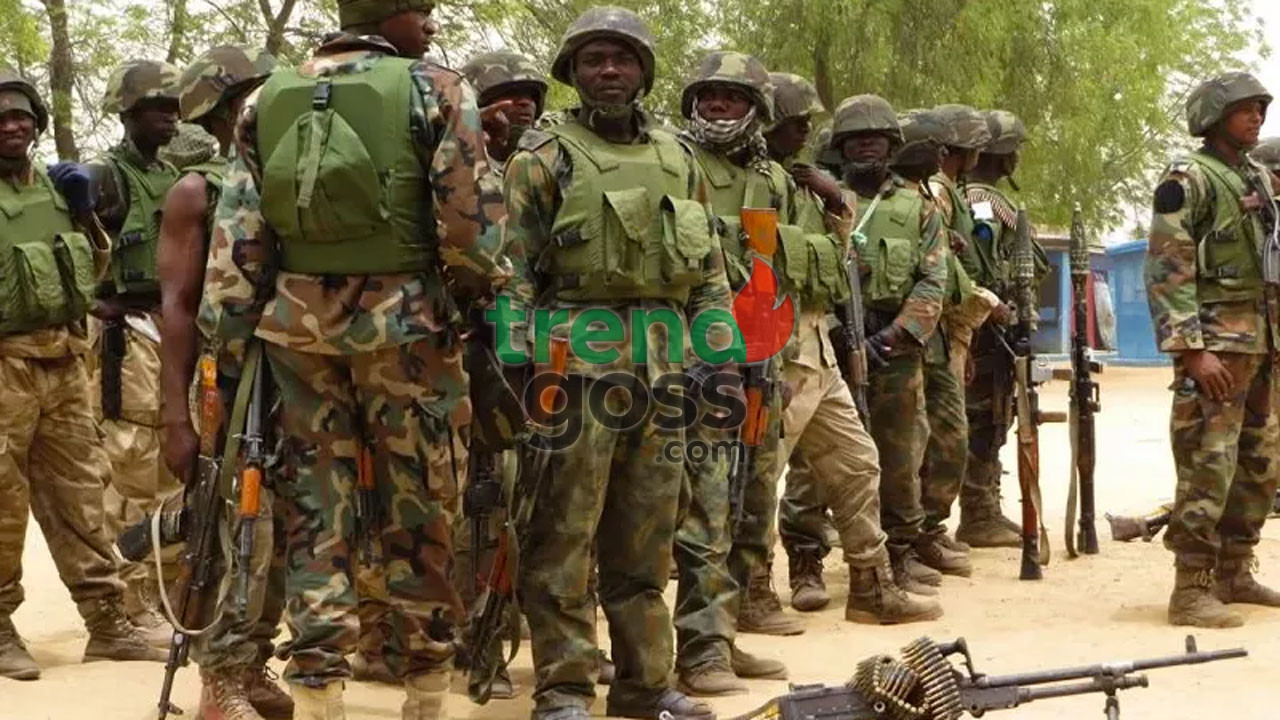
At the same time, the Nigerian Armed Forces continue to operate in complex and high-risk environments. Progress in such contexts can be gradual and uneven, even with increased funding.
Yet public expectations remain high.
For many Nigerians, the issue is not about budget figures—it’s about safety. Communities want to feel protected, roads secured, and daily life free from fear. When those expectations are not met, questions naturally arise.
So, is the increased spending ineffective?
Not necessarily—but it highlights that funding is only one part of a larger equation. Strategy, execution, oversight, and long-term planning all determine whether resources translate into real security improvements.
As debates continue, one thing is clear: Nigerians are not just watching the numbers—they are watching the results. And until those results become visible, the questions will only grow louder.
#NigeriaSecurity #DefenceSpending #NaijaNews #TrendingNigeria #SecurityCrisis #Military #PublicAccountability #Governance #NationalSecurity #BudgetDebate #Transparency #NigeriaEconomy