

Xenophobia Tension: FG Urges Nigerians in South Africa to Shut Businesses—Protection or Weak Response?
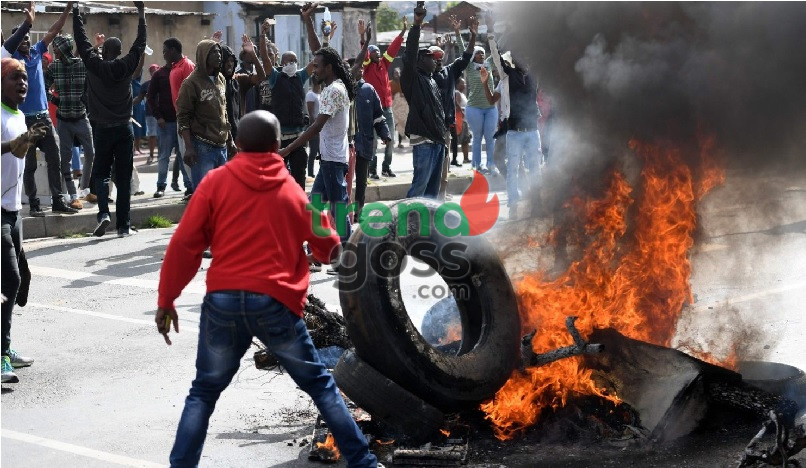
Reports that the Federal Government of Nigeria has advised Nigerians in South Africa to temporarily close their businesses amid rising xenophobic protests have triggered mixed reactions. While some see it as a safety-first move, others are asking whether this is enough—or simply a cautious response to a recurring crisis.
On the surface, the directive appears practical. When violence or unrest targets foreign nationals, reducing exposure can help prevent loss of life and property. In previous waves of xenophobic attacks, businesses owned by Nigerians were looted or destroyed, making early precaution a reasonable step.
But for many Nigerians, this advice feels insufficient.
Closing businesses may protect lives in the short term, but it also means economic loss for individuals who depend on daily income. More importantly, critics argue that it does not address the root problem—repeated hostility toward Nigerians abroad. This is where expectations of a stronger diplomatic stance begin to surface.
What would a stronger approach look like?
Some analysts suggest firmer engagement between governments, including direct diplomatic pressure, bilateral talks, and clearer protections for Nigerian citizens living overseas. Others call for coordinated action through African institutions to address xenophobia as a continental issue rather than isolated incidents.
At the same time, diplomacy is often complex.
Publicly confronting another country can escalate tensions, while quiet negotiations may yield more sustainable outcomes. The Nigerian government may be balancing immediate safety concerns with long-term diplomatic relationships, even if that approach appears less forceful to the public.
The frustration, however, is understandable.
For many Nigerians, repeated warnings without visible resolution create a sense of vulnerability. Citizens expect not just advisories, but assurance that their rights and safety will be defended wherever they are.
So, is this a good call?
In the short term, yes—it prioritizes lives. But in the long term, it raises a bigger question about how recurring xenophobic threats are being addressed at the highest levels.
As tensions unfold, the focus will remain on two fronts: immediate safety for Nigerians in South Africa and a lasting solution to a problem that continues to resurface.
#Xenophobia #NigeriaSouthAfrica #FG #NaijaNews #TrendingNigeria #DiasporaSafety #AfricaRelations #PublicDebate #SecurityAlert #Diplomacy #HumanRights #StaySafe