
$516m Shocker: Borrowing Spree Deepens as Nigerians Ask—Where Is Our Money Going?
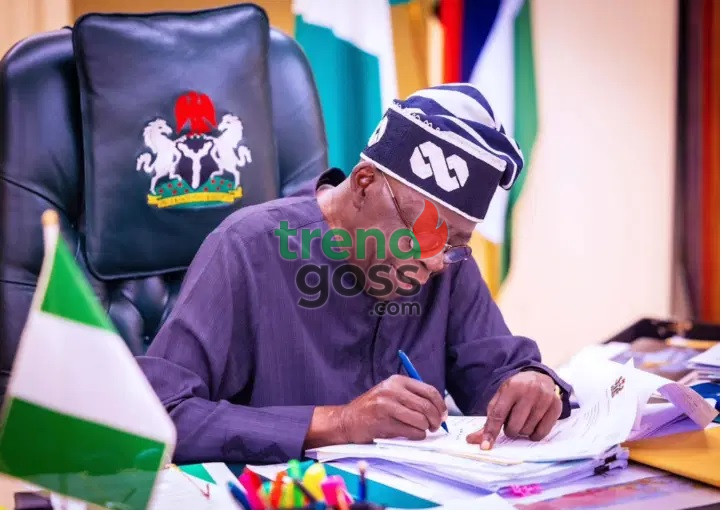
Fresh concerns are rising after Bola Ahmed Tinubu reportedly sought a $516 million foreign loan for the Sokoto–Badagry Superhighway project. The development has triggered intense public debate: with subsidy removal, increased taxes, and existing debt, why is Nigeria still borrowing—and is this approach sustainable?
On paper, borrowing for infrastructure is not unusual. Governments globally finance major projects through loans, expecting long-term economic returns. A highway linking Sokoto to Badagry could, in theory, boost trade, connectivity, and regional development.
But the concern in Nigeria goes beyond theory.
Many Nigerians are still grappling with the impact of fuel subsidy removal, which was justified as a way to free up funds for national development. At the same time, citizens face multiple taxes and rising costs of living. Yet, despite these financial inflows, borrowing continues—creating a growing perception gap between policy promises and real-life outcomes.
This is where skepticism is intensifying.
If the government is saving billions from subsidies and collecting more in taxes, why are these funds not visibly translating into infrastructure or improved public services? For many, the issue is not just about borrowing—it is about transparency and accountability in how resources are managed.
There is also the question of long-term sustainability.
Borrowing can be productive if it funds projects that generate economic value. However, without clear returns, it risks becoming a burden on future generations. Nigeria’s debt profile has already been a subject of concern, and additional loans continue to raise questions about fiscal direction.
Supporters of the government argue that existing obligations, limited revenue base, and economic pressures make borrowing necessary. They also highlight ongoing reforms aimed at improving revenue efficiency. But for the average Nigerian, explanations are not enough—what matters is visible impact.
So, is Nigeria heading toward financial strain?
Perhaps not immediately, but the concerns are real. The issue is not simply borrowing—it is whether borrowed funds, tax revenues, and subsidy savings are being effectively utilized.
In the end, Nigerians are asking for more than policies—they are asking for proof. Proof that sacrifices made today will lead to measurable improvements tomorrow.
#Tinubu #NigeriaDebt #SokotoBadagry #EconomicPolicy #NaijaNews #TrendingNigeria #FiscalPolicy #PublicDebate #Governance #Accountability #NigeriaEconomy #LoanDebate