

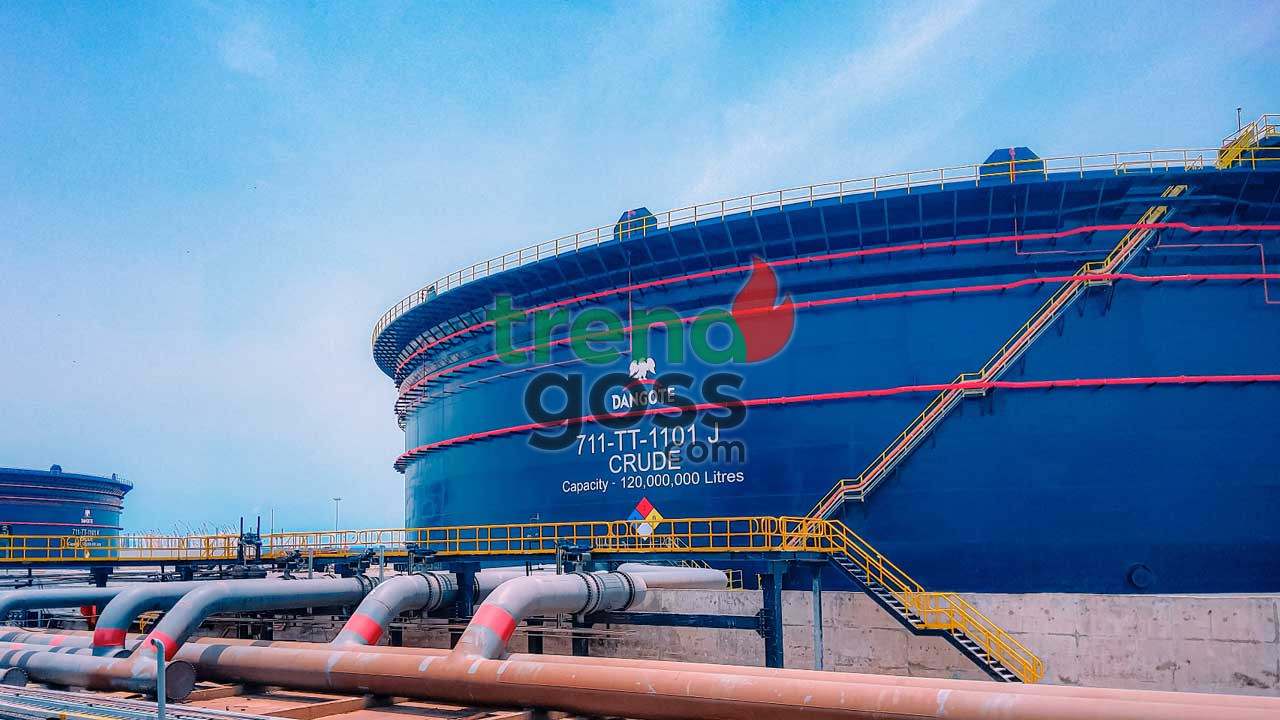
Nigeria Exports 55.39m Barrels as Dangote Struggles: Why Can’t Local Refineries Get Crude?
Nigeria’s oil paradox is back in the spotlight. While the country exports tens of millions of barrels, the Dangote Refinery is reportedly grappling with crude shortages—fueling a national debate: how can a major oil producer fail to feed its own refineries?
On paper, the numbers look impressive. Through the Nigerian National Petroleum Company Limited (NNPCL), Nigeria continues to meet export commitments that generate vital foreign exchange. But on the ground, local refining capacity is struggling to secure consistent crude supply. For many Nigerians, this contradiction feels less like a logistical hiccup and more like a policy failure.
The official explanation often points to contractual obligations. Long-term crude supply agreements—many signed years ago—prioritize exports to international buyers. Breaking or altering those deals can carry financial penalties and reputational risks. Yet critics argue that a country’s domestic energy security should never take a back seat to external commitments.
There’s also the issue of pricing. Local refineries must often compete with international buyers willing to pay market rates, creating a scenario where exporting crude becomes more attractive than supplying it domestically. In a liberalized market, economics can override national priorities unless policy steps in.
This is where frustration is growing.
Many Nigerians see the situation as avoidable. If policies were structured to guarantee a percentage of crude for domestic refining, shortages could be minimized. Instead, the current setup appears reactive rather than strategic—leaving key infrastructure like the Dangote Refinery navigating uncertainty.
But is this deliberate insensitivity, or systemic inefficiency?
Supporters of the government argue that reforms are ongoing, including efforts to stabilize supply chains and improve local refining frameworks. However, for citizens dealing with high fuel costs and economic pressure, these reassurances often feel disconnected from reality.
The bigger concern is sustainability. A country that cannot reliably supply its own refineries risks undermining its energy independence and economic stability. It also sends mixed signals to investors looking at Nigeria’s industrial potential.
In the end, the issue is not just about crude—it’s about priorities. Until domestic needs are treated as strategically essential, Nigeria’s oil wealth may continue to feel like a distant benefit rather than a national advantage.
#DangoteRefinery #NNPCL #NigeriaOil #CrudeOil #EnergyCrisis #NaijaNews #TrendingNigeria #FuelCrisis #LocalRefining #EconomicPolicy #OilExports #NigeriaEconomy