
Nigeria is once again staring at the same horror it has refused to truly confront for years.
Jos is bleeding again.
And this time, the grief is mixing with something even heavier:
the growing belief among many Christians that they are being killed, traumatized, and buried in cycles — while the country keeps responding with curfews, condolences, and silence.
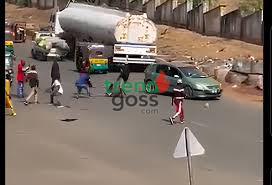
The latest violence in Jos North, especially around Angwan Rukuba / Gari Ya Waye, has reopened one of the deepest wounds in Nigeria’s national conscience. Multiple reports published within the last 72 hours say gunmen attacked the community on Sunday evening, killing residents, injuring others, and forcing terrified families to flee. Plateau authorities imposed a 48-hour curfew, while religious and civil groups condemned the killings.
But for many Nigerians watching this unfold — especially Christians — the question is no longer just what happened.
The question is:
Why does this keep happening?
And why does it often seem to happen in ways that leave Christian communities especially devastated during sensitive religious moments?
That is why the outrage is rising so fast.
Because this was not just another “security incident” in the eyes of many citizens.
This was seen as another assault on already vulnerable communities who have spent years living with fear, displacement, trauma, and the knowledge that the next attack can come without warning.
That fear is not theoretical.
It is lived.
It is mothers sleeping lightly.
It is fathers listening for motorcycles at night.
It is worshippers wondering whether sacred days have now become high-risk days.
And that is why public anger is no longer staying polite.
Many Nigerians are now openly saying what others have whispered for years:
This country is failing its people in Plateau.
Yes, the violence in Plateau has a long, ugly history involving land tension, armed raids, ethnic rivalry, reprisals, militia activity, weak state response, and recurring impunity. Serious reporting and historical human-rights documentation show that these conflicts have repeatedly spiraled into cycles of communal and retaliatory bloodshed over decades.
But that bigger history must not become an excuse for present cowardice.
Because when people are killed in their homes, in their communities, or around days of worship, citizens do not need lectures first.
They need protection.
And that is exactly where the Nigerian state keeps failing.
Every time these attacks happen, the same script returns.
Officials condemn.
Security promises.
Curfews are announced.
The dead are counted.
The living bury them.
Then the cycle waits to restart.
That is not security.
That is managed tragedy.
And if we are honest, that is why many Christians in Jos no longer just feel unsafe.
They feel unimportant.
They feel like their pain is acknowledged publicly but not defended materially.
And that may be one of the most dangerous things a government can allow.
Because once communities begin to believe they are repeatedly exposed and insufficiently protected, trust in the state starts collapsing from the ground up.
That collapse is not only political.
It is emotional.
It is spiritual.
It is national.
And if this continues, Plateau will not just remain a conflict zone.
It will become a permanent symbol of what happens when a country normalizes bloodshed until the victims begin to feel invisible.
That should terrify everyone.
Because today it is Jos again.
Tomorrow it could be somewhere else.
And unless Nigeria finally treats this crisis like a national emergency instead of another recurring headline, the country will keep producing the same funerals — and the same unanswered questions.
#JosKillings #PlateauCrisis #ChristianKillings #NigeriaInsecurity #TrendingNigeria #Tinubu #StopTheKillings #NaijaPolitics #PublicOpinion #Trendgoss