

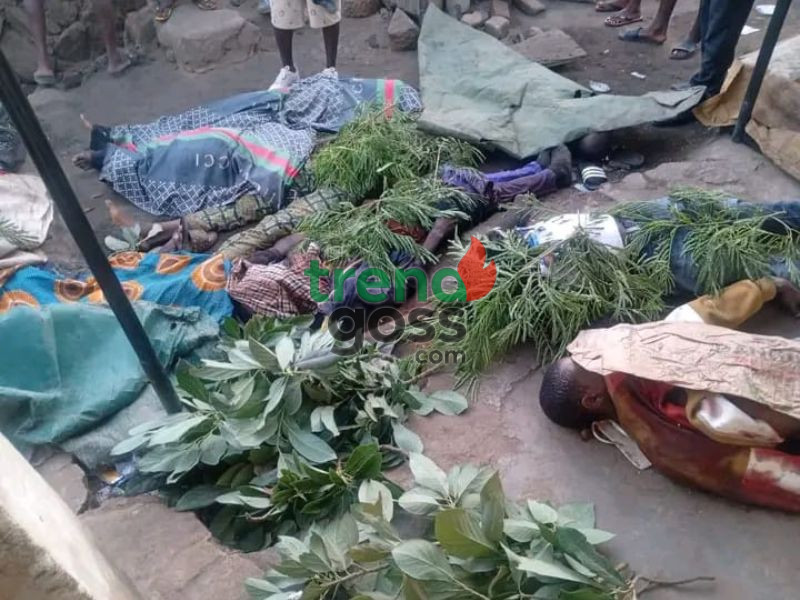
Nigeria is reaching a point where tragedy is no longer shocking — and that may be the most dangerous thing of all.
From communities in Kwara State being displaced by terrorist violence to the fresh killings in Jos on Sunday, Nigerians are once again being forced to ask the same painful question:
How many more people have to die before insecurity is treated like a true national emergency?
The latest reports paint a frightening picture. In Jos North, authorities imposed a curfew after a deadly attack in Angwan Rukuba / Gari Ya Waye, with police confirming multiple deaths and religious bodies condemning the violence.
At the same time, the security reality in Kwara is becoming harder to ignore. Terror-linked activity around the Kwara–Kogi axis has deepened fears that communities once considered relatively safer are now under serious pressure, with arrests of arms suppliers, church kidnappings, and repeated attacks adding to public anxiety.
And this is where public anger becomes unavoidable.
Because Nigerians are not only mourning the dead anymore. They are beginning to feel abandoned.
The truth many citizens are now saying out loud is uncomfortable but impossible to dismiss: terrorism in Nigeria is no longer just a “security challenge.” It is becoming a governance failure.
A nation cannot keep burying its people while leaders keep speaking in statements, condolences, and vague promises.
At some point, people begin to ask whether there is incompetence, indifference, or something even more disturbing — complicity inside the system.
That word, complicity, is harsh. But it keeps resurfacing because too many attacks feel predictable, repeated, and poorly interrupted. Communities often say they raised alarms before attacks happened. Families say help came late or never came. Citizens watch the same pattern unfold again and again — and trust collapses. Even where there is no proven conspiracy, persistent failure begins to look like permission in the eyes of the public.
That is why this conversation is no longer just about terrorists in forests.
It is now also about state capacity, military accountability, and the political will of the government led by Bola Ahmed Tinubu.
Supporters of the government will rightly say this crisis did not start under Tinubu. That is true.
But Nigerians are not grading presidents on inherited excuses.
They are grading them on results.
And right now, too many communities feel like they are left to survive by luck, prayer, or silence.
That should terrify everyone.
Because when people lose faith in the state’s ability to protect them, they start looking for protection elsewhere — ethnic militias, informal armed groups, local retaliation networks. And once a country drifts too far into that direction, insecurity does not reduce.
It multiplies.
If terrorism keeps spreading from the Northeast into central and western communities, and killings continue to be managed like routine headlines, then Nigeria is not just facing insecurity.
Nigeria is facing the collapse of confidence in the state itself.
And that may be even harder to recover from than the attacks.
#NigeriaInsecurity #JosKillings #KwaraTerror #Tinubu #TerrorismInNigeria #NaijaPolitics #SecurityCrisis #TrendingNigeria #StopTheKillings #Trendgoss