
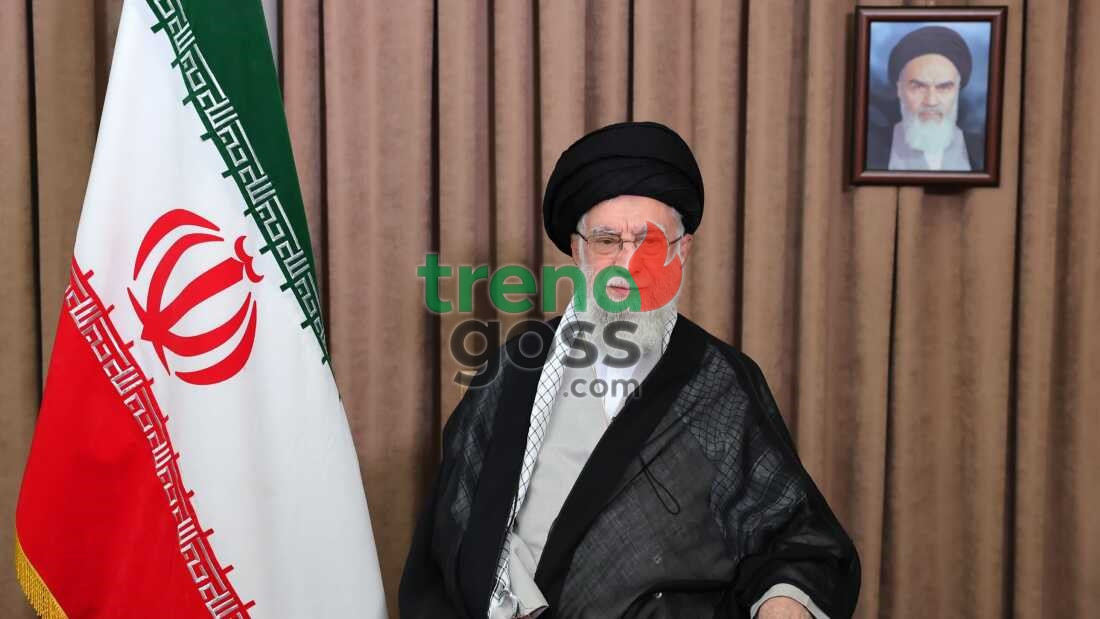
In what is arguably one of the most dramatic geopolitical events of the early 21st century, Iran’s Supreme Leader, Ayatollah Ali Khamenei, has been killed in a coordinated military campaign conducted by the United States and Israel, according to Iranian state media and international reports — a moment already reshaping global politics and triggering urgent debate about peace, war, and stability.
Early on February 28, 2026, U.S. and Israeli forces launched a major airstrike campaign across key Iranian military and leadership positions. Within hours, both U.S. President Donald Trump and Israeli officials declared that Khamenei — Iran’s supreme leader since 1989 — had been killed in the operation, a confirmation later echoed by Iranian state media, which announced a 40-day mourning period and several days of public holiday following his death.
Khamenei’s death marks the end of a 36-year reign that defined Iran’s domestic politics and foreign policy, characterized by staunch resistance to U.S. and Israeli influence, expansion of Iranian proxy networks throughout the Middle East, and deep involvement in the conflicts of Syria, Iraq, Yemen, and Lebanon.
Immediate Consequences in Iran and the Region
Inside Iran, the sudden removal of a leader with immense political, religious, and military authority has already triggered widespread uncertainty. There is no clear, publicly designated successor — plunging the Islamic Republic into a possible leadership crisis even as state media insists that the “path of resistance” will continue without interruption.
The Islamic Revolutionary Guard Corps (IRGC), historically loyal to Khamenei, has vowed a “ferocious” response, and Iranian officials have promised retaliation against U.S. and Israeli targets. Early reactions include threats of missile and drone operations across the region, potentially involving bases, strategic infrastructure, and allied territories.
Across the region, airspace closures, military deployments, and a heightened alert status underscore how rapidly the conflict could spread. Nations with strategic ties to Iran — including Iraq, Syria, and Yemen — may find themselves drawn deeper into hostilities, either through proxy engagements or direct confrontation.
Global Repercussions: Oil, Security, and Diplomacy
With Iran a major oil producer and the Strait of Hormuz a critical chokepoint for global energy supplies, markets have already reacted with price volatility and strategic stockpiling. Analysts warn that sustained conflict could sharply increase fuel prices worldwide — a development that directly affects inflation, transport costs, and consumer prices in regions as far away as Africa and Nigeria.
Global supply chains, especially those reliant on stable Middle Eastern routes, face disruption. Strategic alliances are being tested, as Western powers push for military coordination while others — including China and Russia — call for restraint and accuse the U.S. and Israel of aggressive escalation.
In major world capitals, urgent diplomatic sessions are underway. The United Nations Security Council has convened emergency meetings, with calls for de-escalation amid warnings that unchecked military retaliation could ignite a broader war involving multiple states.
Impact on Africa and Nigeria
Africa — geographically distant but politically intertwined — will feel the impact in multiple ways. In Nigeria and across the continent:
Economic shocks are already apparent as oil prices spike, increasing the cost of petrol and diesel for millions and straining household budgets in countries heavily reliant on imports.
Diaspora and diplomatic concerns are rising, as citizens with family or business ties in the Middle East worry about safety, disruption, and potential spillover.
Geo-political positioning may shift, as African leaders reassess alliances, defense strategies, and roles in international forums calling for peace and humanitarian support.
A Turning Point or a Precursor to Broader War?
Khamenei’s killing is more than military news — it underscores a pivotal moment in world politics. Some analysts suggest it could pave the way for internal reform or even regime collapse in Iran. Others argue it may harden resistance, creating a cycle of violence and retaliation that draws in regional powers and global alliances.
For everyday Nigerians and Africans watching this unfold, the event is a stark reminder of how interconnected global security, economics, and diplomacy are — and how quickly distant conflicts can affect lives at home.
This is not just a story about one man’s death. It’s about uncertainty, power vacuums, shifting alliances, and the fragile pursuit of peace in a world on edge.
#IranLeaderKilled #MiddleEastWar #GlobalSecurity #NigeriaImpact #AfricaEconomy #OilPrices #USIsraelConflict #WorldPolitics #Trendgoss