

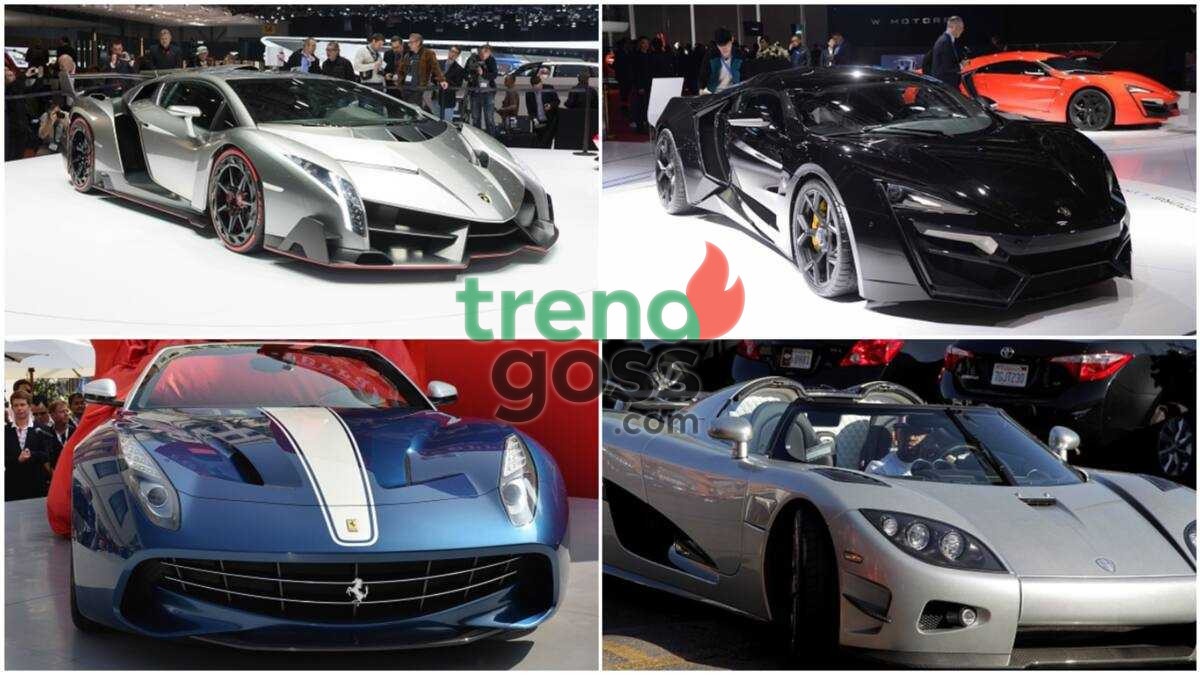
In many Nigerian cities today, cars are no longer just transportation. They are statements.
Scroll through Instagram or attend a weekend event in Lagos or Abuja and you’ll notice something — sleek SUVs, brand-new sedans, tinted windows, customized plates. Status on wheels.
But here’s the uncomfortable question: are some Nigerians driving image more than affordability?
Car ownership has always symbolized success. But recently, the pressure feels amplified. Financing options are easier. Hire-purchase schemes are popular. Social media comparison is relentless.
If your peers are upgrading, staying modest feels like stagnation.
Dealerships are booming. Yet fuel prices are high. Maintenance costs are rising. Spare parts fluctuate with exchange rates.
So why are luxury cars multiplying?
Part of it is ambition. Nigerians are aspirational. Visible progress motivates. But part of it may also be silent competition.
In certain circles, the car you drive determines how you’re perceived — professionally and socially.
But what happens when lifestyle upgrades outpace financial stability?
Loans increase. Monthly obligations expand. Emergency savings shrink.
There’s nothing wrong with enjoying comfort. The real question is sustainability.
Are we building assets — or showcasing liabilities?
In an economy where uncertainty is constant, financial flexibility matters more than appearance.
The deeper issue isn’t luxury. It’s pressure.
If image becomes more important than liquidity, long-term wealth suffers.
So here’s the reflection: is your car serving you — or are you serving your car?
#LuxuryLifestyle #NaijaSuccess #FinancialReality #CarCulture #MoneyTalk #NigeriaEconomy #PublicOpinion