
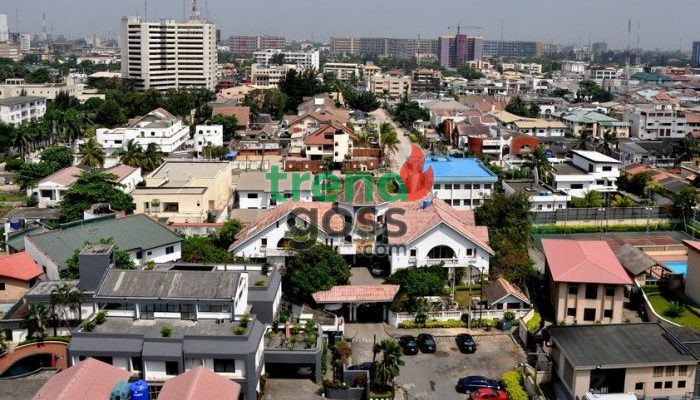
Finding a house in Nigeria today is no longer just stressful — it is financially frightening. Across major cities like Lagos, Abuja, and Port Harcourt, tenants say rent prices have surged beyond reason. What used to be manageable a few years ago now feels impossible. Young professionals complain that landlords demand two years’ rent upfront, plus agency fees and legal charges that almost double the amount.
A civil servant in Abuja shared that nearly half of his annual income now goes to rent alone. “After paying rent, I start the year broke,” he said. Many tenants echo this frustration, explaining that relocation is not even an option because cheaper alternatives are either too far from workplaces or lack basic infrastructure.
Social media platforms are filled with screenshots of rental listings that leave people shocked. One-bedroom apartments going for prices once reserved for luxury flats. Students and young workers now share apartments to survive, while some quietly move back in with relatives.
Landlords argue that inflation and rising construction costs justify the increase. Tenants, however, believe there should be some form of control or understanding. The debate continues, but one thing is clear: housing is becoming a luxury rather than a necessity.
The emotional toll is evident. People feel stuck, pressured, and uncertain about stability. Many say owning a home now feels like an unreachable dream.
💬 Public reaction: “You work all year just to pay rent. What kind of life is that?”